
LANE COUNTY, Ore. — Voters in Lane County will soon weigh in on a controversial ballot initiative aimed at strengthening environmental protections through a proposed “Watersheds Bill of Rights.” The measure, set for a May vote, has sparked intense debate between environmental advocates and business groups over its potential impact.
Residents Raise Concerns Over Chemical Exposure
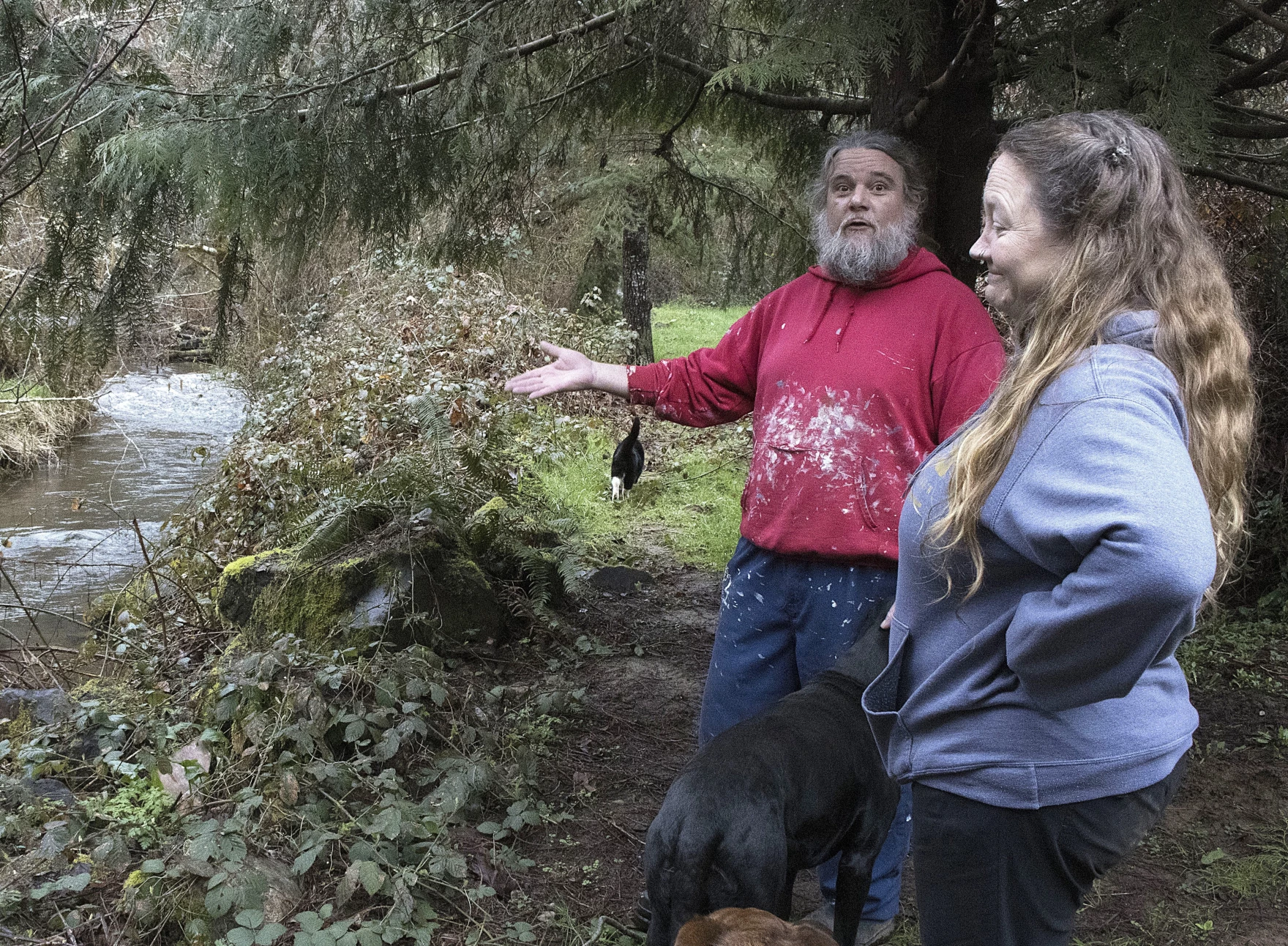
For nearly two decades, residents like Eron King and Justin Workman, who live near Triangle Lake, have voiced concerns about chemical exposure from nearby timber operations.
The couple recalls past aerial herbicide spraying over surrounding clear-cut forestland, describing the noise of helicopters and lingering chemical odors. According to them, tests conducted in 2011 revealed traces of herbicides in their systems, along with similar findings in other nearby residents.
One of the chemicals detected was atrazine, a substance the World Health Organization has classified as potentially carcinogenic.
Although aerial spraying has since ceased in the area, King says concerns remain about ground-level chemical applications and their possible long-term health effects. These worries have driven their support for the proposed ballot measure.
What the ‘Watersheds Bill of Rights’ Would Do
The initiative, formally known as Measure 20-373, would grant legal rights to watersheds throughout Lane County. Under the proposal, ecosystems — including rivers, lakes, and surrounding land — would have the right to exist, regenerate, and remain free from pollution.
Supporters argue that this approach would allow communities to take legal action on behalf of natural resources. Residents and the county itself could challenge projects they believe harm the environment, even if those projects have already received government approval.
If violations are proven, responsible parties could be required to restore damaged ecosystems and pay financial penalties tied to the cost of that restoration.
Advocates like Michelle Holman say the measure could serve as an alternative to restrictions on aerial chemical spraying, which have previously faced legal limitations at the state level. They also believe it could help communities push back against industrial developments, including large-scale data centers.
Opposition Warns of Legal and Economic Risks
Critics, including representatives from the Eugene Area Chamber of Commerce, argue the proposal is overly broad and could create unintended consequences.
Opponents warn that the measure may open the door to excessive litigation, increase costs for local government, and discourage investment in the region. Some also fear it could hinder housing development and wildfire prevention efforts.
A key concern is language in the proposal that allows legal action even without full scientific certainty of environmental harm. Critics say this could lead to disputes based on subjective interpretations rather than clear evidence.
There are also worries that previously approved projects could still face legal challenges, creating uncertainty for businesses operating under existing permits.
Supporters Defend Measure’s Intent
Backers of the initiative argue that existing laws already protect against frivolous lawsuits and that courts would ultimately determine how the measure is applied.
They maintain that the proposal is designed to empower communities rather than target small businesses or farmers. However, they acknowledge that legal interpretations will play a major role if the measure passes.
Uncertain Outcome Ahead of Vote
The measure has divided local leaders, with several mayors publicly opposing it. The Eugene Water & Electric Board has also expressed concern, citing potential liability risks.
Meanwhile, some environmental organizations have not taken a formal stance, partly due to prior agreements that limit their involvement in certain advocacy efforts.
As Election Day approaches, voters in Lane County will ultimately decide whether the proposed “Watersheds Bill of Rights” becomes law — a decision that could reshape how environmental protection and economic development are balanced in the region.










Leave a Comment