

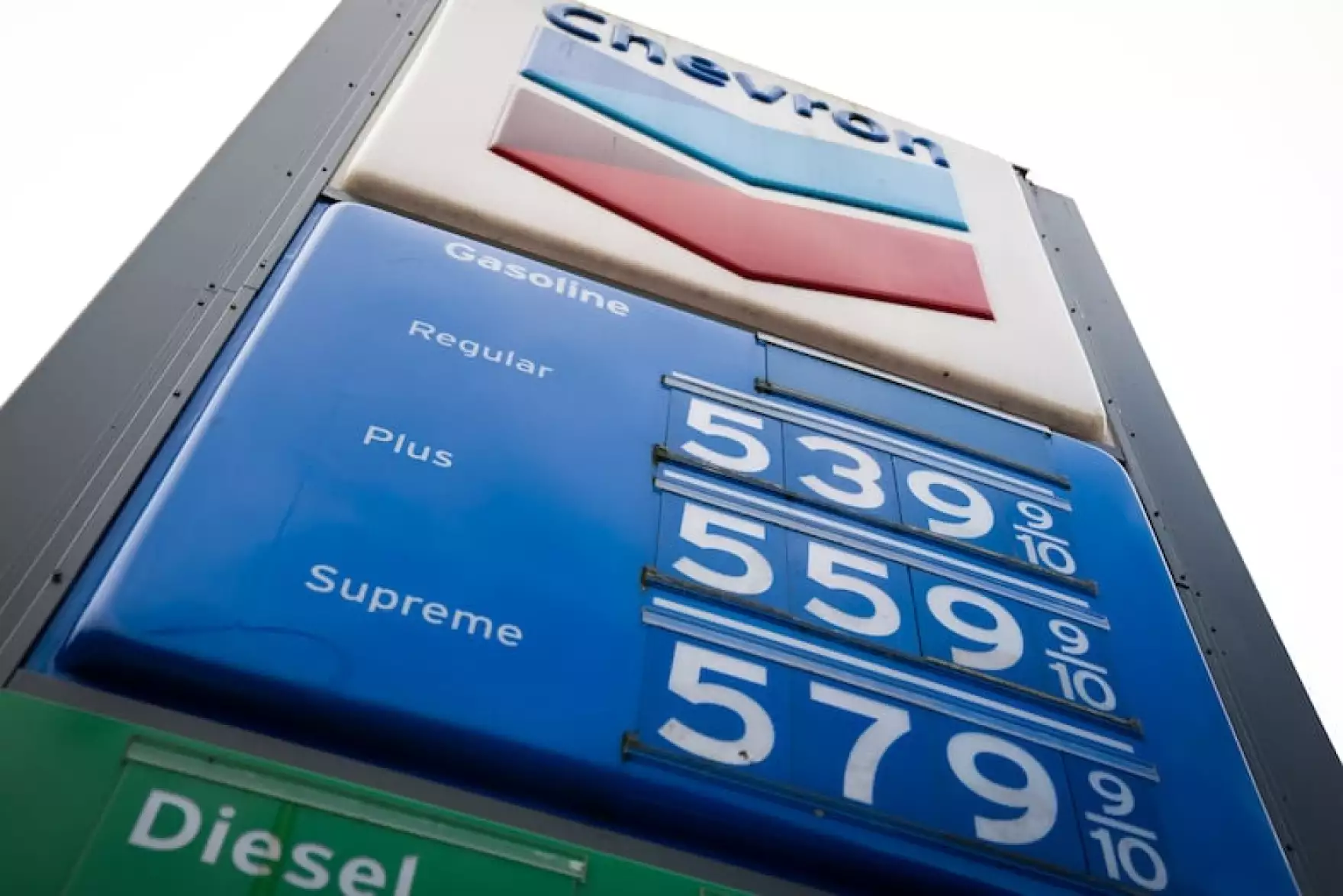
Drivers in Oregon are paying some of the highest gas prices in the country as global conflicts and regional factors push fuel costs upward.
According to data from American Automobile Association, the national average for regular gasoline has climbed to about $3.71 per gallon, while Oregon’s average has reached approximately $4.48—ranking among the top five most expensive states for fuel.
Recent price increases have been fueled in part by the ongoing conflict involving the United States, Israel, and Iran. Disruptions in global oil supply, including tensions affecting key shipping routes like the Strait of Hormuz, have tightened supply and driven up crude oil prices worldwide.
Experts note that gasoline prices are closely tied to crude oil costs, which are influenced by international demand. As global buyers seek alternative supplies, U.S. producers may shift output to more profitable export markets, indirectly raising domestic fuel prices.
In addition to global pressures, Oregon faces long-standing regional challenges that contribute to higher gas prices. These include relatively high fuel taxes, limited in-state refining capacity, and environmental regulations that restrict fuel production and supply.
Seasonal changes are also playing a role, as gas stations transition to more expensive summer-blend gasoline, further increasing prices at the pump.
Energy analysts say the impact extends beyond fuel, affecting transportation, agriculture, and everyday consumer goods due to the widespread use of oil in the economy.











Leave a Reply