


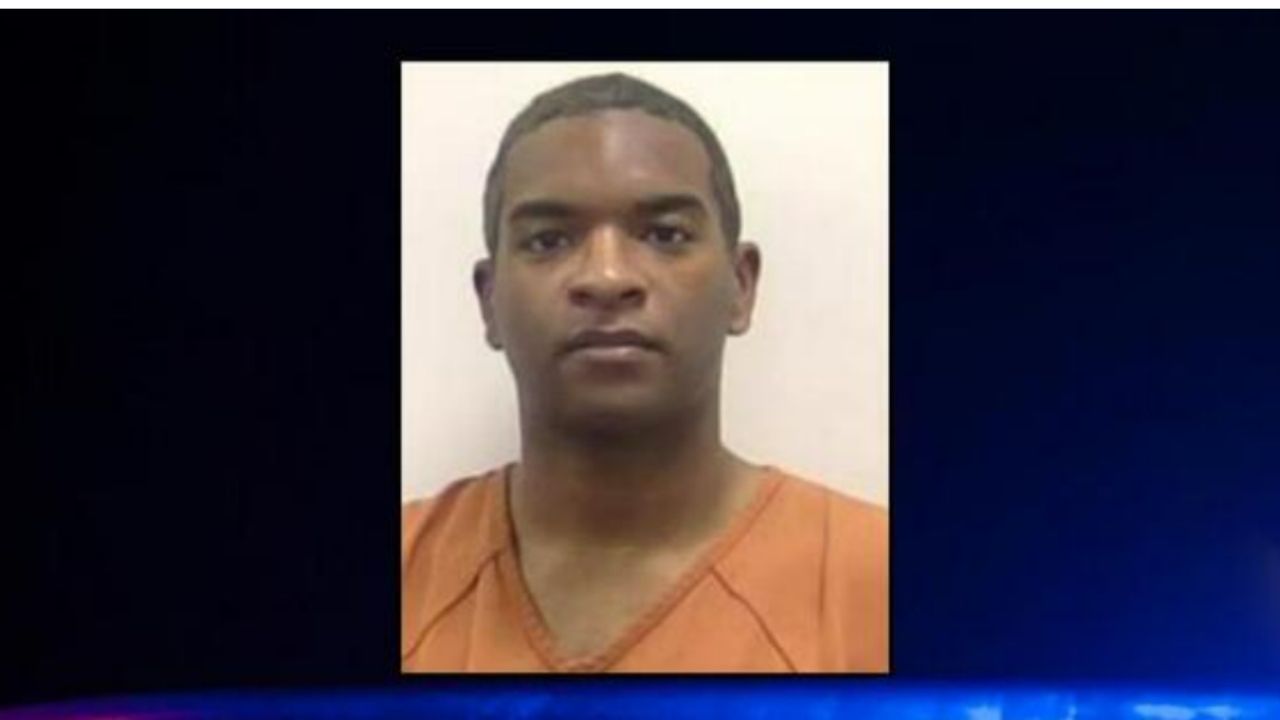
A 43-year-old Miami man and a 43-year-old Miramar man have been sentenced to federal prison for operating a scheme that billed Medicare $34.8 million for thousands of orthotic braces that patients never requested or required. Kenneth Charles Kessler III and Michael Andrew Gomez pled guilty in May to one count of conspiracy to conduct health-care fraud, and a court sentenced them last month.
According to the Sun Sentinel, Kessler was sentenced to 33 months in jail while Gomez received 24 months. The gap in prison sentence is notable because Gomez benefited more from the plan — over $2.3 million vs more than $1.4 million for Kessler, according to federal sentencing documents. Federal sentencing decisions take into account guidelines, criminal history, and cooperation in addition to raw dollar values, which helps explain why the individual with the lowest income received the longest sentence.
The two men owned and operated seven Florida-based durable medical equipment supply companies, according to Department of Justice records released earlier this month. The companies existed in part to allow billing to be shifted from one entity to another whenever Medicare suspended payments to a specific company. This rotation allowed the plan to continue even when regulators attempted to cut off funding to individual enterprises.
According to court documents, the enterprise paid bribes and kickbacks to marketing companies that ran aggressive telemarketing operations targeting Medicare recipients, and then paid telemedicine providers to sign off on bogus doctor’s prescriptions without ever seeing a patient. According to the Department of Justice, Kessler and Gomez exploited those fake orders to ship orthotic braces to Medicare enrollees around the country before claiming payment from Medicare for the shipments.
In many situations, the individuals who received the braces did not seek or require them. According to U.S. Attorney Jason Reding Quiñones, the defendants engaged in a $34.8 million scheme involving unneeded braces, fake doctor’s prescriptions, and illegal kickbacks. Quiñones emphasizes that Medicare is not an excuse for fraud.
Colin McDonald, an FBI Miami Field Office official, characterized the mechanics in equally stark words, claiming that the defendants paid kickbacks for bogus doctors’ orders, transferred billing across organizations, and collected millions of dollars from taxpayers. McDonald also stated that the pair billed Medicare $34.8 million for braces that patients did not require or desire. The case was investigated by the Federal Bureau of Investigation in collaboration with the Office of Inspector General for the United States Department of Health and Human Services, the federal agency in charge of detecting and preventing waste, fraud, and abuse in Medicare and Medicaid programs.
The case is part of the Department of Justice’s Health Care Fraud Strike Force Program, which links prosecutors with FBI and HHS-OIG agents in high-fraud locations and has charged over 6,200 individuals nationally since 2007, according to the DOJ. During that time, these defendants billed federal health care programs and commercial insurers for more than $45 billion. More recently, the case was handled by the DOJ’s National Fraud Enforcement Division, which was established in April to centralize white-collar prosecution and use data analytics to combat federal benefits fraud.
Orthotic brace billing has become a major focus of the enforcement effort. According to Medical Economics, the Centers for Medicare & Medicaid Services revealed in February that federal measures, together with new enrollment limitations, prevented more than $1.5 billion in suspected fraudulent durable medical equipment billing in 2025 alone. This case is set within the larger framework of a federal assault on health care fraud.
This is far from an isolated incident in the region. Hoodline previously reported on Broward males jailed in a $6.9 million Medicare brace scheme that laundered $2.2 million through overseas call centers in the Philippines, with penalties ranging from 60 to 78 months. Other South Florida cases are mentioned in the larger discussion, but the sources included here do not identify or characterize them.
Nationally, the practice has resulted in similarly severe fines elsewhere. According to ArentFox Schiff, a Georgia telemedicine company owner was sentenced to 10 years in federal prison and a $66 million restitution order in July for paying bribes to doctors to manufacture phony orthotic brace orders for Medicare patients. Jean Wilson, the proprietor of a Georgia telemedicine company, received a 10-year federal prison sentence and was sentenced to pay $66 million in restitution for paying bribes related to false orthotic-brace orders. The punishment was announced on June 30, 2026. The example adds to the pattern of telemarketing-to-telemedicine-to-DME fraud that has previously been revealed.









Leave a Reply