

A 22-year-old former U.S. Army soldier received a 70-month federal prison sentence and was ordered to pay $294,978 in restitution for participating in a scheme that involved hacking telecommunications databases and extorting companies for ransom, according to federal authorities.
Cameron John Wagenius, previously stationed in Texas, committed the cybercrimes while serving on active military duty. He pleaded guilty to multiple charges across two federal cases in the Western District of Washington. The charges included conspiracy to commit wire fraud, extortion tied to computer fraud, aggravated identity theft, and the unlawful transfer of confidential phone records.
Court filings reveal that from April 2023 through December 2024, Wagenius operated under the online alias “kiberphant0m.” He collaborated with co-conspirators to target at least 10 organizations and obtain protected network credentials. The group acquired access logins through various methods, including a custom tool called “SSH Brute,” which Wagenius helped develop. Members coordinated network intrusions and exchanged stolen credentials through private Telegram group chats.
After infiltrating the systems, the group stole proprietary data and demanded ransoms totaling more than $1 million. The conspirators threatened to release the stolen files on cybercrime forums such as BreachForums and XSS.is if victims refused to pay. In other cases, they listed stolen data for sale, completed transactions, and leveraged the information to execute secondary schemes, including SIM-swapping fraud.
In November 2024, Wagenius posted call detail records belonging to a government official and the family of another former official online, threatening broader releases unless he received payment. In one post, Wagenius indicated that the action served as retaliation for the arrest of another cybercriminal.
During sentencing, U.S. District Judge Lauren King addressed Wagenius’s motives directly: “Your actions show a shocking disregard for the safety and security of the United States… You took these actions motivated by greed and a desire for notoriety.”
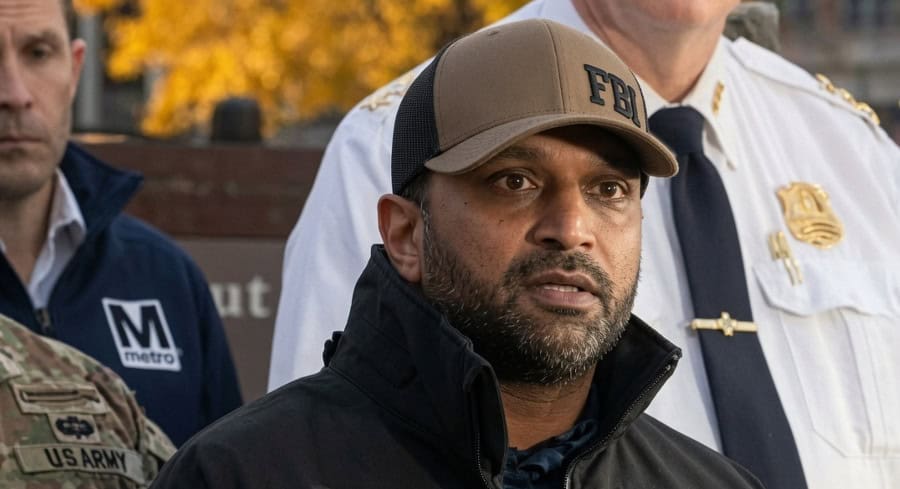
FBI Cyber Division Assistant Director Brett Leatherman stated that law enforcement acted swiftly once public threats emerged.
“The FBI and its law enforcement partners moved quickly to identify, locate, and arrest Cameron Wagenius, who abused the trust that came with his military service to break into the networks of U.S. telecommunications companies, steal the private records of Americans, and extort victims for profit,” Leatherman said. “Today’s sentence of 70 months holds him accountable for those choices. The FBI, working alongside our partners at the Department of Defense (also known as the Department of War) Office of Inspector General Defense Criminal Investigative Service (DCIS) and the Army identified and arrested him within weeks of his public extortion threats. The FBI will continue to pursue cybercriminals wherever they are, until they face justice in a U.S. courtroom.”
Special Agent in Charge W. Mike Herrington of the FBI Seattle field office added: “Spending more than a year stealing confidential data and then threatening to expose it, Mr. Wagenius attempted to extort multiple organizations for a combined total of more than $1 million. It is especially shocking that a member of our armed forces, sworn to defend Americans and their Constitutional rights, would engage in such a violation of privacy. The FBI takes the theft of data seriously and will investigate, identify, and impose consequences on those who steal data or assist in trafficking and sharing it.”
The FBI conducted the investigation with support from the U.S. Army Criminal Investigation Division, the U.S. Attorney’s Office for the Western District of Texas, and the National Security Cyber Section. Assistant U.S. Attorney Sok Tea Jiang led the prosecution, alongside CCIPS Senior Counsel Louisa Becker and Trial Attorney George Brown.






Leave a Reply