

South Carolina’s state parks have no shortage of places to explore if you’re heading outside to hike, walk, or simply breathe in some fresh air.
But trails, lakes, and forests aren’t the only things waiting for you out there. Snakes are another part of the outdoors you’re almost certain to come across this time of year.
The state’s landscape is tailor-made for wildlife, snakes included, according to the South Carolina Department of Natural Resources. Wetlands, marshes, and lush forests create ideal conditions for reptiles to thrive across the Palmetto State.
Those environments provide abundant food sources and shelter, allowing a wide variety of snake species to flourish.
WorldAtlas identified seven South Carolina parks known for snake sightings — including one in the Upstate.
South Carolina’s most snake-infested state parks
Several parks rank among the most snake-active areas in South Carolina. Seven, in particular, have ecosystems favorable enough to make snake sightings a regular occurrence.
“Encounters, as you may imagine, are common, particularly if you know where to look, so this guide is aimed at highlighting the parks where snakes are most frequently seen, helping travelers like you stay alert while simultaneously appreciating the role these animals play in maintaining the state’s rich and varied ecosystems,” read WorldAtlas’s report on the state.
Here are the parks WorldAtlas found to have some of the highest rates of snake sightings.
Sesquicentennial State Park
Sesquicentennial State Park in Columbia stands as one of the Midlands’ most scenic outdoor destinations — and one of its most snake-active.
The park’s 30-acre lake, wetlands, and dense wooded terrain provide cover for both venomous and non-venomous species alike.
Table Rock State Park
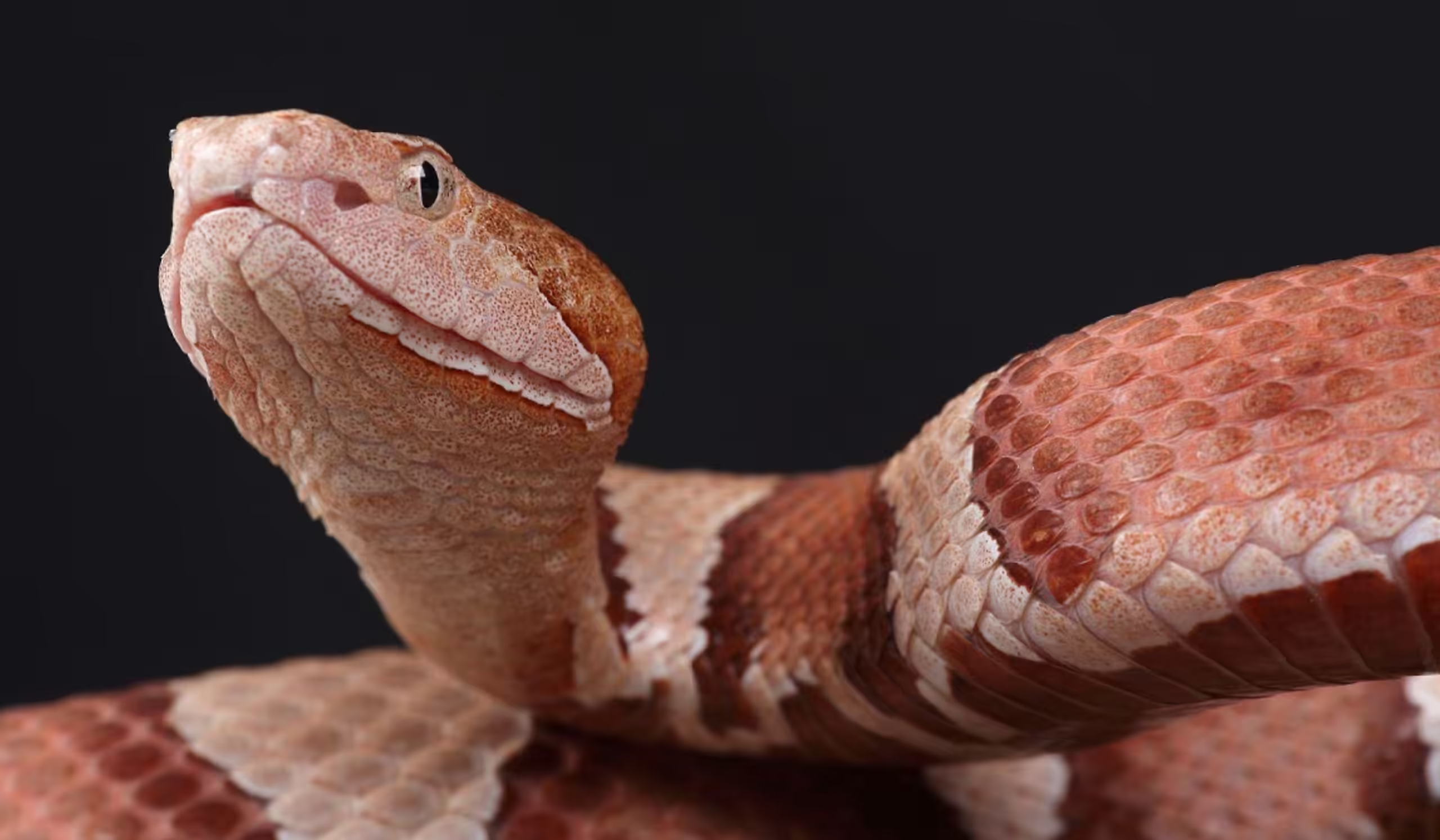
Table Rock State Park in Pickens sits nestled in the scenic Blue Ridge foothills. Its rocky outcrops, forest clearings, and streams make it a haven for reptiles such as rattlesnakes, copperheads, and black rat snakes.
Jones Gap State Park
Jones Gap State Park in Marietta is part of the Mountain Bridge Wilderness Area. Its fast-flowing streams and hardwood forests draw high numbers of water-loving and tree-dwelling snakes.
Edisto Beach State Park
Edisto Beach State Park on Edisto Island is a prime spot for encountering coastal snake species. Salt marshes, tidal zones, and maritime forests combine to create a thriving ecosystem for snakes such as the cottonmouth.
Huntington Beach State Park
Huntington Beach State Park at Murrells Inlet is recognized for its vast saltwater marshes, freshwater lagoons, and coastal dunes. Those marshes provide ideal conditions for water snakes and cottonmouths.
Santee State Park
Santee State Park in Santee borders Lake Marion amid cypress trees and Spanish moss. The park’s swampy creeks and lush surroundings offer prime habitat for water snakes.
Croft State Park
Croft State Park near Spartanburg features dense forests, expansive lakes, and rolling hills. Together, those elements create a balanced environment that supports a range of reptile populations, including several snake species.











Leave a Reply