

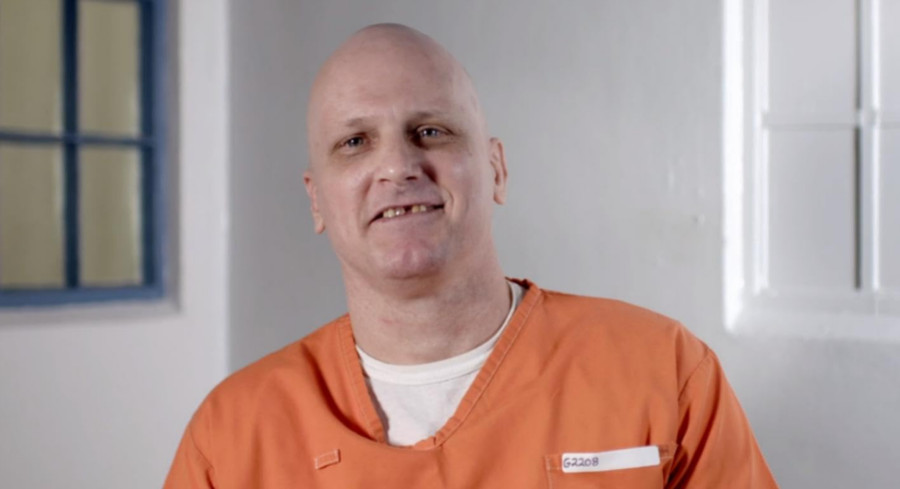
Florida will carry out the execution of 63‑year‑old James Robertson at noon on Tuesday at Florida State Prison in Starke, a case that advocacy groups and legal analysts say sits squarely in the ongoing debate over whether the death penalty deters crime.
Robertson confessed that he killed his cellmate to swap the grim conditions of the general prison population for death‑row housing and to secure a capital‑punishment sentence. His lethal injection proceeds after Governor Ron DeSantis withdrew the death warrant for a second inmate, William Lee Thompson, who had been slated to die later that evening. If the execution goes forward, Robertson will become the 17th person Florida executes in 2026.
Arrested before he turned 18, Robertson spent his entire adult life behind Florida bars, serving time for burglary, assault and attempted murder. He was slated for release in 2038. On Dec. 10, 2008, while confined in a close‑management unit at Charlotte Correctional Institution, he attacked his sleeping cellmate, Frank Hart, suffocating him with a makeshift garrote crafted from tied‑together socks.
Robertson later told prison officials and investigators, “I killed my cellmate because I wanted the better jailhouse conditions on death row.”
Attorney General James Uthmeier recorded Robertson’s confession in a letter to Governor DeSantis about the case.
“According to Robertson’s admissions, there was no provocation or fight that led to the murder,” Uthmeier wrote. “Robertson stated that he murdered his cellmate so that he would be charged with first‑degree murder and be sentenced to death.”
After the killing, Robertson mailed the State Attorney’s Office a letter declaring the murder premeditated and requesting the death penalty. Prosecutors initially offered a plea deal for second‑degree murder with a life sentence, but Robertson turned it down. He waived a jury sentencing recommendation, refused to present mitigating evidence, pleaded guilty to first‑degree murder, and received the death sentence on Dec. 18, 2012.
Although Robertson tried to waive his direct appeal, the Florida Supreme Court performed its mandatory statutory review and affirmed both the conviction and the sentence in March 2016. He then declined any post‑conviction appeals, leaving his execution unchallenged.
Opponents of the death penalty, led by Floridians for Alternatives to the Death Penalty (FADP), plan vigils across the state on Tuesday. They argue that Robertson’s case illustrates how capital punishment can create an incentive for lethal violence rather than deter it.
A 1999 study in the *Journal of Criminal Justice* titled “The Psychology of Suicide‑Murder and the Death Penalty” examined this pattern, identifying at least 22 suspected cases of “homicide as suicide” since the death penalty’s reinstatement in 1976. The researchers warned that merely keeping the death penalty on the books poses a danger, noting, “there is a danger in even just having the death penalty on the statute book in a state.”
“Frank Hart deserved to be safe in state custody, and his loved ones deserve our compassion,” said Maria DeLiberato, Legal and Policy Director of FADP. “When someone commits murder to try to secure his own execution, we have to confront the conditions that contributed to that decision and the reality that the existence of the death penalty may have caused the very violence it purportedly prevents. Florida has a responsibility to protect the people in its prisons and address the despair that can put their lives, and the lives of others, at risk.”
Robertson’s execution remains scheduled after DeSantis’s Oct. 8 decision to withdraw Thompson’s death warrant without explanation. Thompson’s warrant was pulled following a competency evaluation, court hearings on medical care, and petitions from more than 120 medical professionals. Although Thompson’s execution was canceled, his death sentence still stands.
Robertson’s death warrant, signed by DeSantis on Oct. 1, stays in effect for Tuesday.




Leave a Reply