

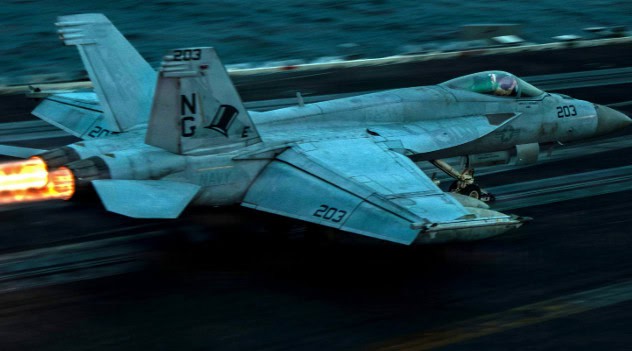
Hours before American voters headed to the polls, the night sky above the Strait of Hormuz erupted in silent, unannounced fire.
In a covert operation deliberately omitted from official briefing sheets, American forces struck Iranian military positions across the strategic waterway on Monday, sending shockwaves through the islands of Qeshm and Hengam and rattling windows along the mainland in Bandar Abbas. According to a U.S. official speaking strictly on condition of anonymity, the targets were Iranian crews actively deploying surface-to-air missile batteries directed at American patrols operating within the narrow corridor that governs the flow of the global economy.
The strikes shattered an uneasy two-month operational lull. They also broke a public commitment made by President Donald Trump, who had assured Washington would withhold military action until Tuesday’s midterm elections concluded. With gasoline prices surging and voters penalizing Republicans at the ballot box over a grueling eight-month war, the domestic political stakes could not have been higher.
Yet beneath the sudden tactical assault lies an even more complex diplomatic crisis.
Only hours before the explosions reverberated across the Persian Gulf, Vice President JD Vance publicly projected measured confidence, telling reporters that both he and Trump felt “pretty good about the prospects for potentially coming to a negotiated settlement.”
Behind closed doors, however, Washington finds itself pulled sharply in two opposing directions.
Thousands of American troops, along with a looming third aircraft carrier battle group, are already moving into position to enforce an aggressive blockade strangling Tehran’s oil tanker operations. In Israel, Prime Minister Benjamin Netanyahu , weakened by the loss of his governing majority the previous week and urgently working to assemble an emergency wartime coalition , spent the weekend in direct communication with Trump, pressing the White House to authorize an even broader, post-election military campaign against Iran.
Tehran, meanwhile, is conducting its own calculated diplomatic brinkmanship. Iranian officials claim to possess a two-day framework for reopening the strait , a corridor that once carried 20 percent of the world’s oil supply , and for resuming nuclear negotiations. Their conditions, however, are severe: Washington must lift the naval blockade, abandon crude oil sanctions, and commit to a ceasefire that protects Lebanon, all while directing international tankers through an Iran-Oman designated maritime corridor.
Iran’s chief negotiator and parliament speaker, Mohammad Bagher Qalibaf, appeared on state television Tuesday to sharpen that message, warning that the country’s missile forces remain fully armed and prepared for deployment.
“The ball is now in America’s court to prevent war,” Qalibaf warned, cautioning Washington directly against what he described as a fatal miscalculation. “This time it will face a new battlefield, and will find itself even more desperate than it is today.”
With ballots being cast across the United States and American warships positioned within sight of Iran’s coastline, the broader Middle East now watches to determine whether Monday’s strikes represented a final warning before diplomacy takes hold , or the opening move in a far larger and more devastating confrontation.







Leave a Reply