

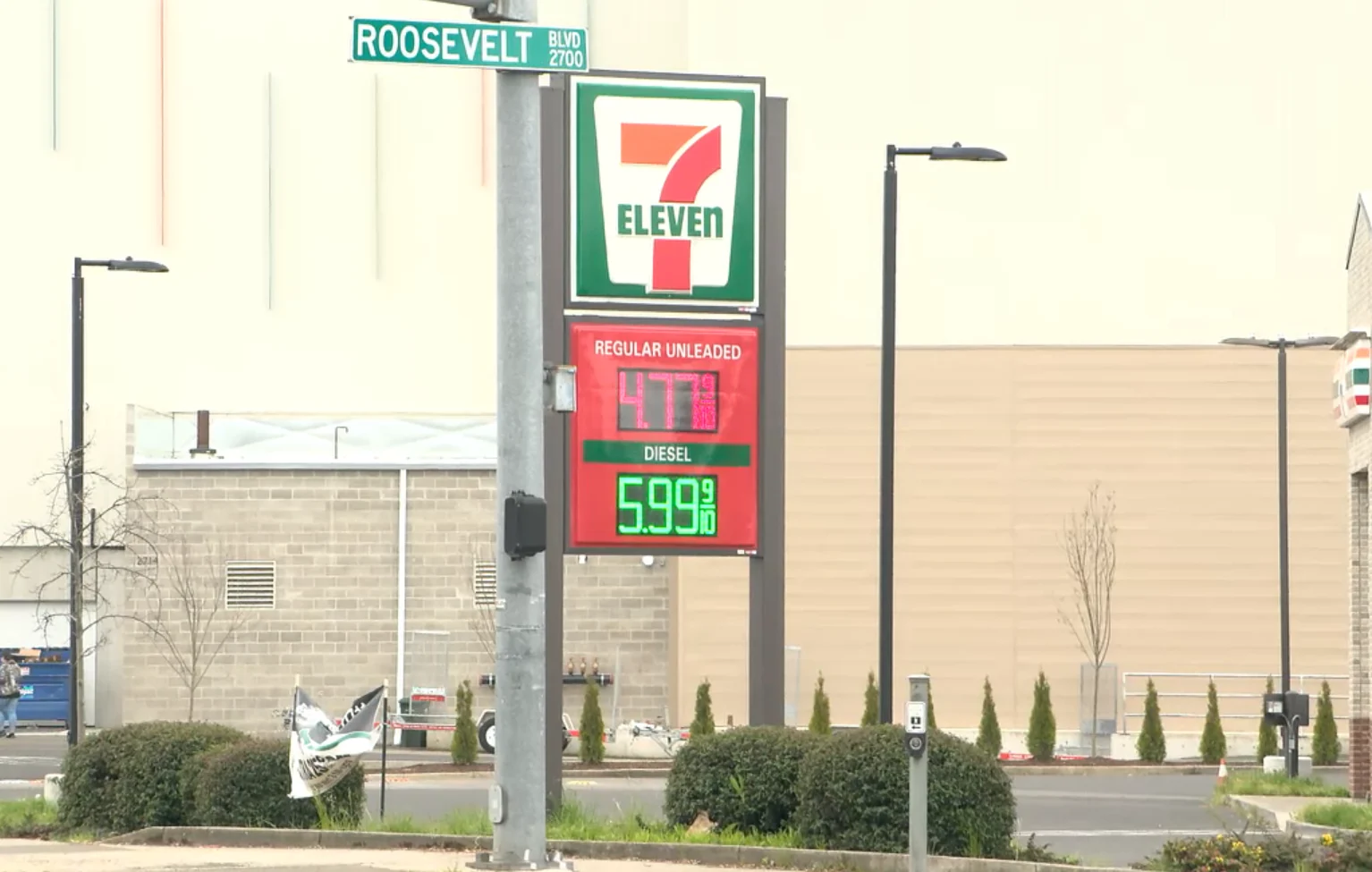
Businesses and public agencies in Eugene are feeling the pressure of escalating fuel prices, with strict state regulations limiting their ability to adjust pricing and offset costs.
Oregon Moving Companies Struggle to Absorb High Fuel Prices
Local moving companies say rising diesel and gasoline prices are significantly impacting their operations. Businesses like Pro Movers and WDA Movers report spending hundreds of dollars per truck on fuel, with prices reaching as high as $6–$7 per gallon.
Because of pricing rules enforced by the Oregon Department of Transportation, moving companies have limited flexibility to pass these costs on to customers, forcing many to absorb expenses internally.
Electric Truck Transition Seen as Long-Term Solution
To combat rising fuel costs, Pro Movers has begun transitioning to electric trucks at its California locations and plans to expand that initiative to Oregon.
However, company officials say regulatory hurdles and operational costs remain challenges in fully adopting electric fleets.
City of Eugene Faces Budgeting Challenges for Fuel Expenses
The City of Eugene Public Works Department is also grappling with higher fuel costs across its vehicle fleet.
Officials say long-term budgeting makes it difficult to adapt quickly to price spikes:
- The city operates on multi-year budget cycles
- Fuel costs must be estimated well in advance
- Rising prices can strain allocated resources
To manage the situation, the city is prepared to rely on reserve funds when necessary.
Alternative Fuel Strategies Show Mixed Results
While some organizations face rising expenses, others are finding relief through alternative energy sources.
The Springfield School District, for example, has transitioned its school buses to propane, which has helped stabilize fuel costs compared to traditional diesel.
Strict Regulations Limit Pricing Flexibility
Moving companies emphasize that Oregon’s regulatory framework restricts how they can structure pricing, making it difficult to:
- Offer discounts
- Adjust rates based on fuel fluctuations
- Stay competitive while covering operational costs
This leaves businesses with few options beyond absorbing losses or exploring operational changes.
Uncertain Future for Businesses and Public Services
With no clear timeline for fuel price stabilization, both private companies and public agencies are being forced to adapt in real time.
Many are:
- Exploring alternative fuel vehicles
- Cutting operational costs where possible
- Relying on financial reserves to stay afloat











Leave a Reply