

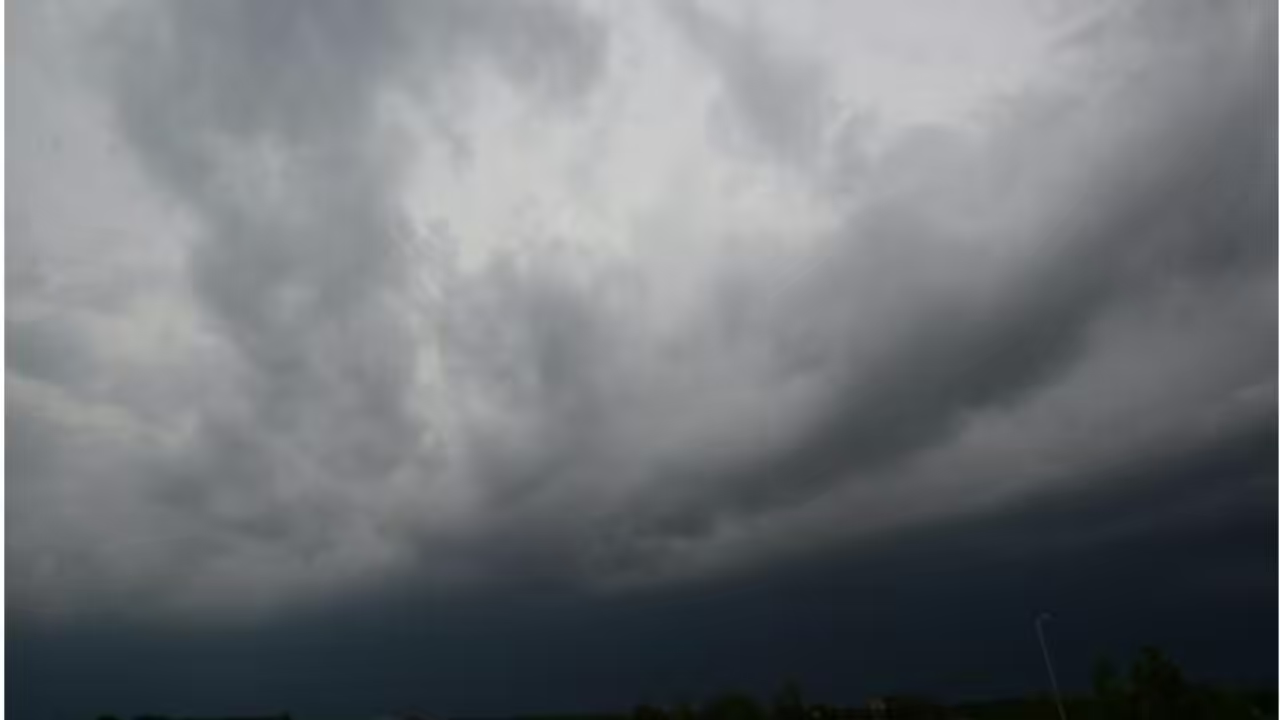
The National Weather Service has issued an urgent alert for citizens in two northeastern states as strong thunderstorms threaten to cause dangerous conditions on Thursday, July 16. Officials are closely monitoring emerging weather systems that could bring severe lightning, heavy rainfall, strong winds, and huge hail to sections of the region.
These storms have the potential to cause broad disruptions, urging officials to urge quick preparedness in local communities.
Meteorologists warn that the approaching systems could generate gusts of up to 60 mph. Such strong gusts could cause substantial structural damage in affected locations. Forecasters highlight the potential of felled trees and electricity lines, which are frequently caused by extreme wind events during summer thunderstorms.
“Expect damage to trees and powerlines,” the alert warns.
Maine and Vermont are on high alert as these dangerous weather patterns continue. Emergency management teams in both states have implemented monitoring systems to watch storm progress and coordinate response operations if conditions worsen. Residents are asked to check their personal safety strategies ahead of any escalation.
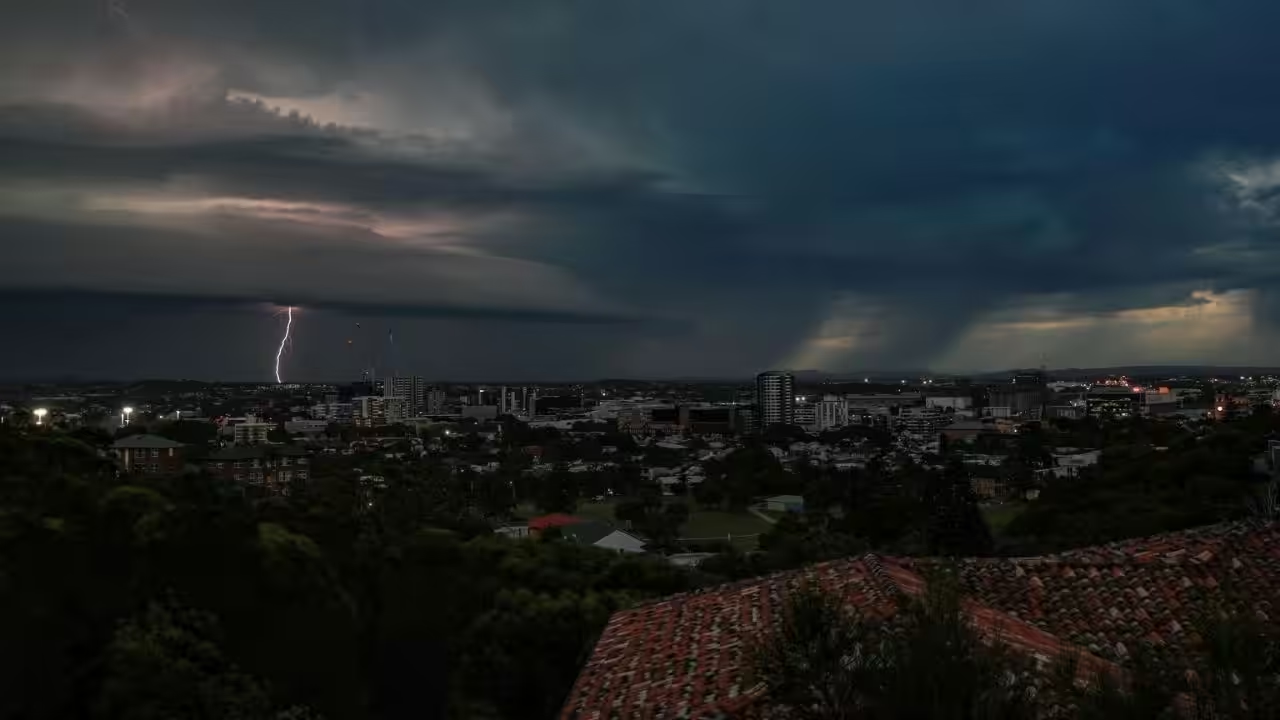
“These storms are producing large hail, devastating winds, and constant cloud-to-ground lightning. Move directly indoors. Lightning is one of nature’s most powerful killers. “Remember, if you can hear thunder, you are close enough to be struck by lightning,” the warning reads.
Safety professionals emphasize the necessity of being informed during severe weather events via credible means. Individuals should stay tuned to local newscasts or NOAA Weather Radio for the most recent updates on thunderstorm watches and warnings. This continual awareness enables people to alter their plans as the situation changes.
When at home, it is vital to move to a secure inside position upon hearing a severe thunderstorm warning. Approaching damaging winds or heavy hail requires immediate action, and pet owners should bring their animals along if feasible to safeguard their safety as well.
Avoiding outdoor rooms reduces vulnerability to flying debris and damaged glass.
When warnings are active, people in workplaces or educational settings should avoid windows and wide-open spaces such as cafeterias, gymnasiums, or auditoriums. These places provide less protection from heavy winds or hail; thus, smaller, inside rooms are the best refuge option until the threat has passed.
Those stranded outdoors must seek strong shelter without haste as storms near. Temporary structures such as sheds or storage buildings offer insufficient protection, and finding shelter beneath trees offers considerable risks. Not only can fallen branches cause injury, but trees also raise the risk of lightning strikes during electrical storms.
During severe thunderstorms, vehicles provide more protection than open spaces; however, drivers should seek shelter in the next substantial building if time allows. Remaining inside a car with the windows closed minimizes susceptibility, but extended exposure on the road necessitates prudence and prompt evacuation to appropriate shelter when possible.
By adhering to these established principles, communities in Maine and Vermont may greatly lower their risk as the storms approach Thursday.
Officials continue to urge caution and swift action to ensure public safety throughout the weather event.







Leave a Reply