
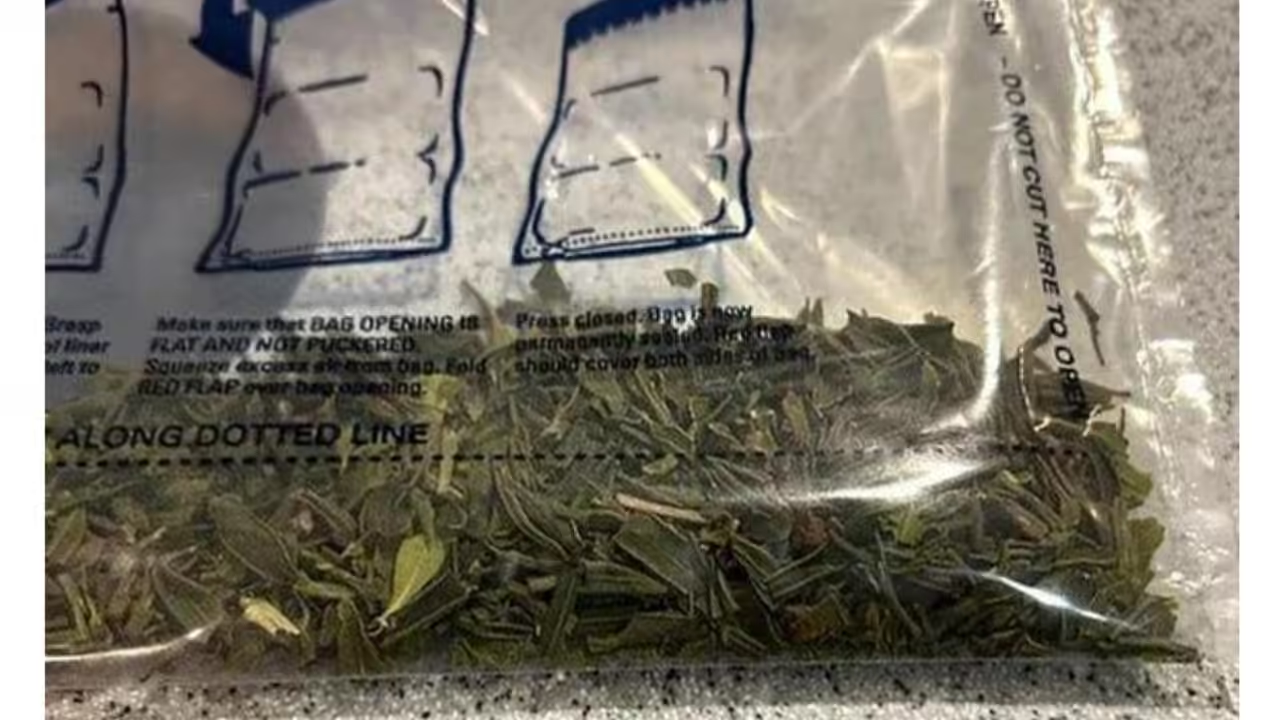
U.S. Customs and Border Protection (CBP) officials seized nearly $50,000 in khat from the baggage claim area at Baltimore-Washington Thurgood Marshall International Airport.
Khat, also known as Abyssinian tea and African salad, is grown mostly in East Africa and the Arabian Peninsula and is consumed for its amphetamine-like properties. Khat is classified as an abuse substance by the World Health Organization (WHO).
According to the National Library of Medicine, khat includes two central nervous system stimulants: cathinone (a Schedule I prohibited substance) and cathine (a Schedule IV controlled substance). According to the US Department of Justice, khat poisoning can include delusions, sadness, loss of appetite, difficulty breathing, increased blood pressure and heart rate, and other forms of manic behavior.
CBP officials found approximately 331 pounds of khat in five luggage that landed from London on August 11. An extra bag containing 81 pounds of khat came on August 12, bringing the total to around 412 pounds.
CBP inspectors initially thought the drug seemed to be tea leaves before field tests revealed it was khat.
Officers located the tourist, who had passed the CBP inspection, but were unable to contact them directly or through the airline.
Travelers may leave baggage on the carousel for various reasons, such as rushing to catch a connecting flight, forgetting to retrieve it, assuming it will be automatically transferred to a connecting flight, or attempting to avoid illicit materials in the presence of CBP officers.”It’s obvious that a very vigilant Customs and Border Protection officer spooked this traveler and foiled an attempt to smuggle a significant amount of a controlled substance into the United States,” said Adam Rottman, CBP’s Area Port Director in Baltimore. “Intercepting dangerous drugs along our nation’s borders remains one of our priority missions, and it is one way in which CBP can help keep our communities safe.”






Leave a Reply