

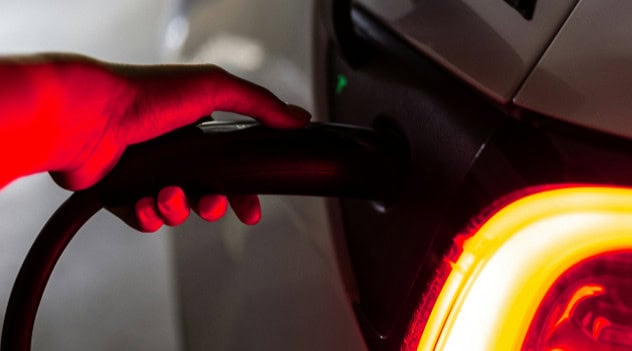
Florida’s chief financial officer and state fire marshal, Blaise Ingoglia, is urging everyone to safeguard their electric vehicles and battery‑powered gear before Hurricane Isaias hits Friday night.
State emergency officials warn that storm surge and flooding can cripple lithium‑ion batteries, sparking fierce fires that are notoriously hard for first responders to extinguish.
“Floridians’ lives and property can be at risk when a storm poses a threat to lithium-ion batteries in electric vehicles,” Ingoglia said. “Whether you choose to evacuate or shelter in your home, it is important to secure your electric vehicle by relocating it away from areas that may be impacted by the hurricane. As we brace for Hurricane Isaias, take precautionary measures beforehand and move your lithium-ion battery‑powered devices, including scooters or golf carts, to higher ground.”
This alert comes after a steep climb in battery‑related fires during recent hurricane seasons. The State Fire Marshal’s Office recorded over 79 incidents tied to electric vehicles and lithium‑ion batteries in September and October 2024, following Hurricanes Helene and Milton that drove storm surge into coastal and low‑lying areas.
Lithium‑ion batteries power everything from laptops and smartphones to power tools, hoverboards, electric scooters, golf carts, solar backup systems, electric and hybrid cars, and home energy walls. State fire officials point out that when these batteries get submerged, damaged, or mishandled, they can short‑circuit, ignite, or even explode violently.
If your devices or vehicles have been damaged or submerged by floodwaters, the State Fire Marshal’s Office recommends these immediate safety steps:
– **Observe and listen:** Should a battery release smoke, gas, or produce popping or hissing sounds, stay back and call 911 right away if flames appear.
– **Put on protective gear:** Avoid direct contact with a flooded or damaged battery. If you must handle it, wear gloves and goggles to guard against chemical leaks and electric shorts.
– **Isolate the battery:** When it’s safe, relocate the battery to a dry, open space away from flammable items. If a vehicle or battery sits inside a garage or building and can be moved safely, roll it outside. If it can’t be moved, open doors and windows to ensure good ventilation.
– **Don’t charge it:** Never plug in or attempt to charge a battery that’s been submerged or shows any damage.
– **Avoid DIY repairs:** Never try to open, disassemble, or fix a water‑damaged battery yourself.
– **Contact the manufacturer:** For electric or hybrid cars, consult the owner’s manual or call the maker or a certified technician for guidance on safe towing, handling, and disposal.
– **Follow local disposal rules:** Check community guidelines for hazardous‑waste cleanup after the storm. Lithium‑ion batteries must be recycled or disposed of through official municipal programs,not thrown in regular trash.





Leave a Reply