

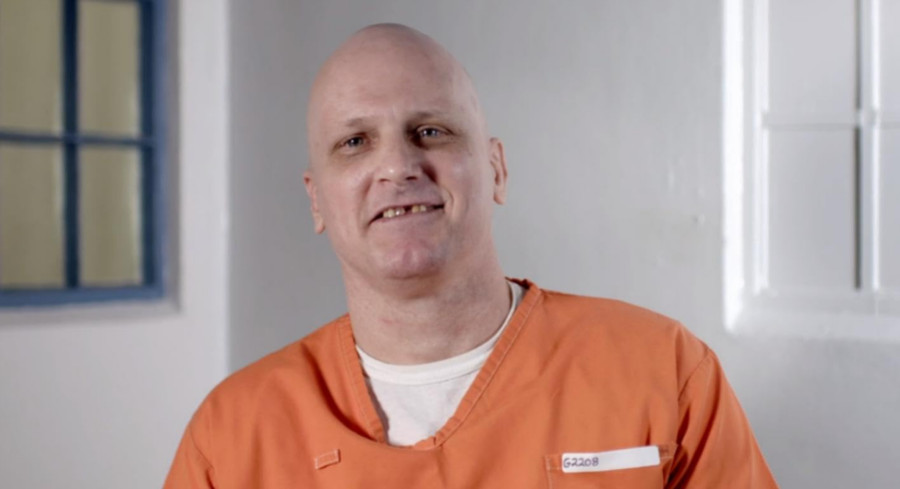
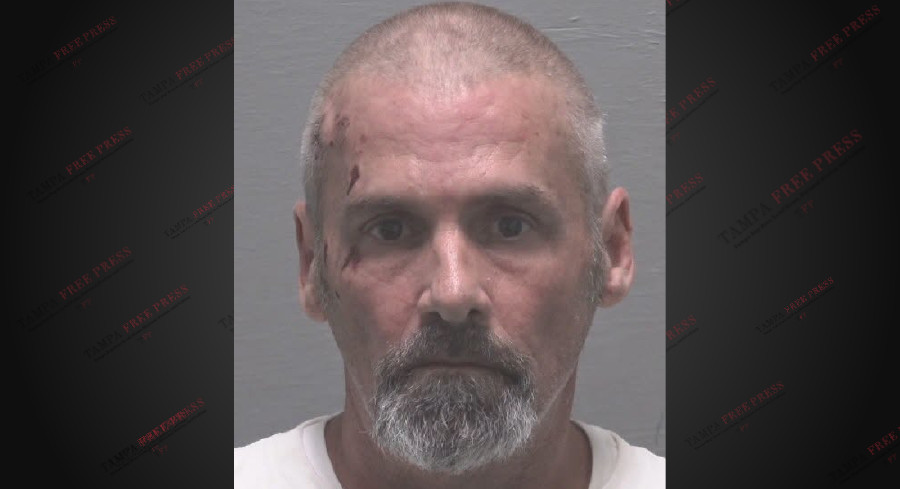
Florida is poised to match its single‑year record for state executions after Gov. Ron DeSantis signed the administration’s 19th death warrant of the year, scheduling a lethal injection for 63‑year‑old James “Chicken Head” Robertson.
Robertson will be put to death at noon on Tuesday, Oct. 13, at Florida State Prison in Starke. State corrections officials say he will become the 17th condemned inmate executed in Florida this year, moving ahead of two other prisoners already awaiting execution dates. This scheduling follows last Thursday’s execution of the “Hog Trail Killer,” who was put to death for a 1996 Charlotte County murder.
Robertson’s journey through Florida’s correctional system stretches over four decades. He entered state custody as a teenager in 1980 after receiving consecutive sentences for a string of violent offenses across several counties, including burglary, aggravated assault, and attempted murder. Prison records show that, under those original sentences, he wouldn’t have been eligible for release until 2038.
On Dec. 10, 2008, while housed in a close‑management unit at Charlotte Correctional Institution, Robertson attacked his cellmate, Frank Hart. Official investigative reports indicate that Robertson waited until Hart was fast asleep in their bunk before strangling and suffocating him with a homemade garrote made from tightly tied tube socks.
After the killing, Robertson surprised investigators and prosecutors by openly confessing to the crime and actively demanding the ultimate punishment. He told prison officials and attorneys that the act wasn’t sparked by an argument; it was a calculated move to escape the harsh conditions of maximum‑security confinement.
“I killed my cellmate because I wanted the better jailhouse conditions on death row,” Robertson said, explaining that death‑row inmates enjoy private single cells, personal televisions, and fewer direct interactions with the general inmate population.
State legal officials confirmed Robertson’s unusual motive in documents sent directly to the governor’s office. Attorney General James Uthmeier addressed the lack of conflict between the two men in a formal transmittal letter accompanying the case file.
“According to Robertson’s admissions, there was no provocation or fight that led to the murder,” Uthmeier said. “Robertson stated that he murdered his cellmate so that he would be charged with first‑degree murder and be sentenced to death.”
In the weeks after Hart’s murder, Robertson mailed handwritten letters to the State Attorney’s Office in Charlotte County, insisting the act was deliberate, pre‑planned, and intended solely to secure a death sentence. Prosecutors initially filed second‑degree murder charges and offered a plea deal that would have resulted in life without parole. Robertson rejected the offer, demanding capital charges instead.
He then pleaded guilty to first‑degree murder. On Dec. 18, 2012, a circuit court judge formally sentenced Robertson to death by lethal injection.
The Florida Supreme Court reviewed the proceedings and upheld Robertson’s conviction and capital sentence in 2016. In the years that followed, Robertson consistently waived additional state and federal post‑conviction appeals, maintaining his desire to see the sentence carried out.
Gov. DeSantis signed Robertson’s active death warrant on Oct. 1, directing the Florida Department of Corrections to finalize preparations for the Oct. 13 lethal injection at the state prison complex in Bradford County.


Leave a Reply