

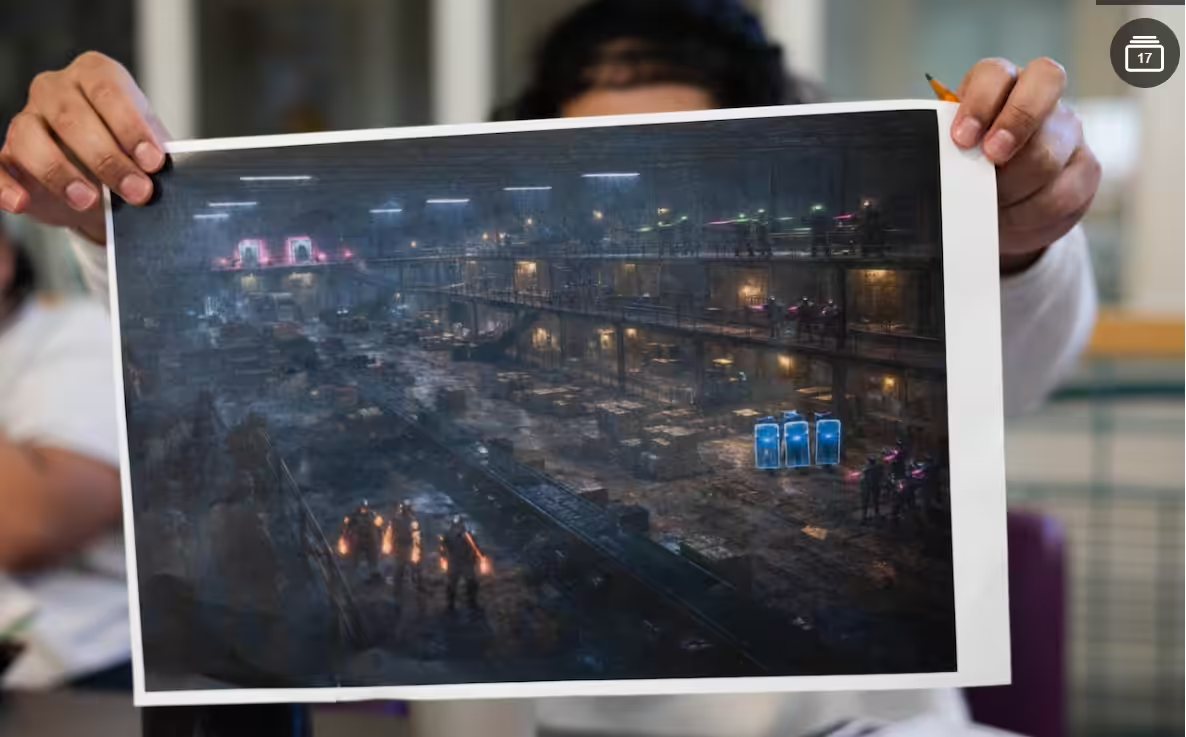
A unique rehabilitation program in Portland is helping young people in detention rediscover creativity, confidence, and connection—through the power of storytelling and role-playing games.
At the Donald E. Long Juvenile Detention Center, a small group of youth gathers each week to play Dungeons & Dragons, transforming their environment into a world of adventure, imagination, and possibility.
A chance to be heroes, not labels
The program is led by Rob Farris, a longtime fan of tabletop gaming and former employee of Wizards of the Coast. Since launching the sessions in early 2024, Farris has worked to create a safe, judgment-free space where participants can express themselves.
Each session lasts around two and a half hours, during which players create characters, develop storylines, and work together to overcome challenges. For many, it’s a rare opportunity to step away from daily pressures and explore a different identity.
Farris says the experience allows youth—often seen through a negative lens—to take on roles as heroes instead.
More than just a game
Officials say the initiative is part of broader enrichment efforts in the county, which also include activities like sports, art, yoga, and gardening for youth aged 12 to 17.
But role-playing games offer unique benefits. Participants build communication skills, teamwork, and emotional awareness while navigating complex storylines. The program has also been linked to improved behavior, as participants are motivated to stay engaged and avoid disciplinary issues.
Juvenile custody specialist Kim Pohl said the impact was noticeable early on, with participants showing growth in social interaction and self-expression.
Finding identity and belonging
Players create characters inspired by their own experiences, blending imagination with personal storytelling. Some take on serious roles, while others embrace humor and creativity.
Participants say the sessions provide a meaningful escape and a chance to think differently about themselves and their future.
For many involved, the program has become more than a weekly activity—it’s a space where they can feel accepted, build relationships, and imagine new possibilities beyond detention.











Leave a Reply