

U.S. Senators Jeff Merkley and Tim Sheehy have introduced legislation to renew a key federal program that funds roads leading to popular public lands, which is set to expire later this year.
The program, known as the Federal Lands Access Program, has supported maintenance and development of roads, bridges, and trails that provide access to recreation areas such as Crater Lake, Mount Hood, and Steens Mountain.
Since its launch in 2012, the program has helped states and local governments manage infrastructure heavily used by tourists and outdoor enthusiasts. Without continued funding, officials warn that deteriorating roads could limit access to national parks, forests, and other public lands.
Merkley emphasized the importance of maintaining these routes, noting that outdoor activities such as hiking, camping, and exploring wilderness areas depend on reliable infrastructure.
More than half of Oregon’s land is federally managed, primarily by the U.S. Forest Service and the Bureau of Land Management. However, many of the access roads fall under the responsibility of state and local governments, which often face budget constraints.
Local officials say rural counties struggle to cover maintenance costs despite high traffic from both federal operations and tourism. In 2024, Oregon received approximately $35 million from the program, significantly more than neighboring states due to its extensive recreational use.
Overall, the program has contributed about $385 million to transportation projects across Oregon.
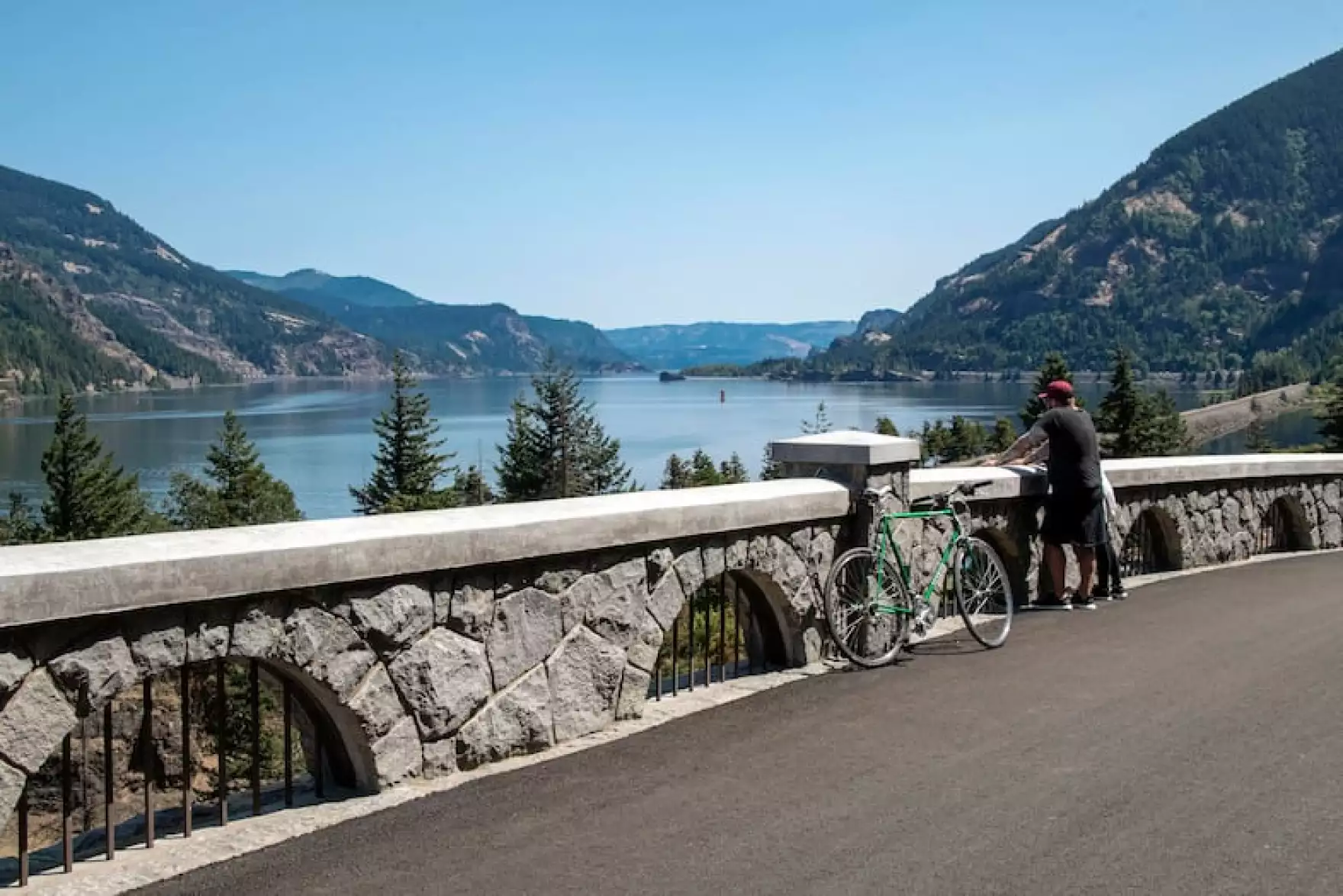
One major project benefiting from this funding is the Historic Columbia River Highway initiative, which aims to create a 73-mile car-free trail between Troutdale and The Dalles. While much of the trail has been completed, the final segment still requires substantial funding to finish.
Supporters argue that extending the program through 2031 will ensure continued access to public lands, support local economies, and maintain critical infrastructure for both residents and visitors.










Leave a Reply