

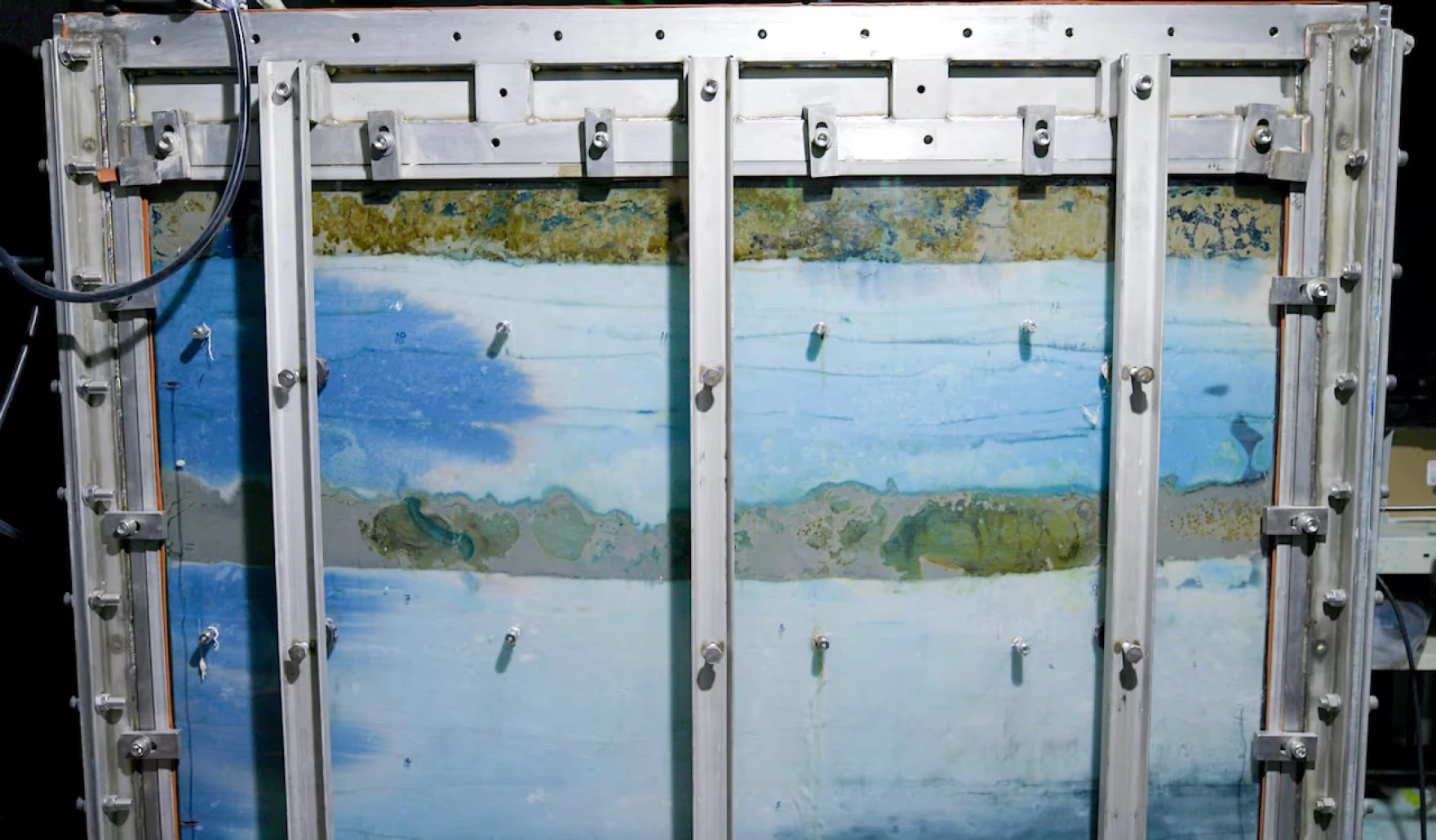
Researchers at Portland State University are developing an innovative technique that uses naturally occurring microbes to help protect buildings from earthquake damage in the Pacific Northwest.
The Threat: Cascadia Megathrust Earthquake
Experts warn that the Cascadia Subduction Zone could trigger a massive earthquake—potentially magnitude 9 or higher—causing widespread destruction.
One of the biggest risks isn’t just shaking, but a phenomenon called soil liquefaction.
What Is Soil Liquefaction?
Soil liquefaction occurs when:
- Water-saturated soil loses strength during intense shaking
- Solid ground temporarily behaves like liquid
- Buildings sink, tilt, or collapse
This risk is especially high in areas like river valleys and reclaimed land, including parts of Portland.
Microbes as a Protective Tool
Scientists are testing a method called microbially induced desaturation, which uses soil microbes to reduce water content underground.
Here’s how it works:
- Nutrients are injected into the soil
- Microbes consume them and release nitrogen gas
- Tiny gas bubbles form, pushing water out of the soil
- Reduced water content helps prevent liquefaction
This process essentially strengthens the ground beneath buildings.
Why This Matters
Liquefaction poses serious risks to critical infrastructure, including:
- Buildings and bridges
- Underground pipelines
- Fuel storage facilities
For example, Portland’s Critical Energy Infrastructure Hub—where most of Oregon’s fuel is stored—sits on highly vulnerable soil.
Promising Test Results
Field tests conducted since 2019 show encouraging outcomes:
- Soil saturation levels dropped below critical thresholds
- Effects lasted several years after treatment
- Retreatment produced similar results
Researchers believe this could significantly reduce earthquake damage if scaled successfully.
Challenges Ahead
Despite its promise, the technology still faces hurdles:
- Determining how much desaturation is needed in real conditions
- Difficulty simulating a full-scale earthquake for testing
- Regulatory approvals before widespread use
Scientists also acknowledge that the solution may not be ready before major infrastructure deadlines.
A Potential Game-Changer
If proven effective, this method could offer:
- A less invasive alternative to traditional ground reinforcement
- A cost-effective way to protect existing structures
- Broader applications beyond the Pacific Northwest








Leave a Reply