

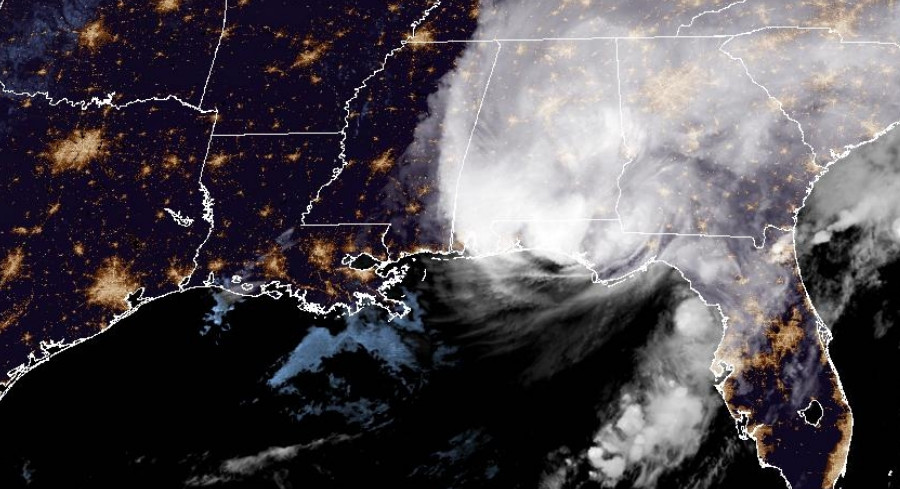
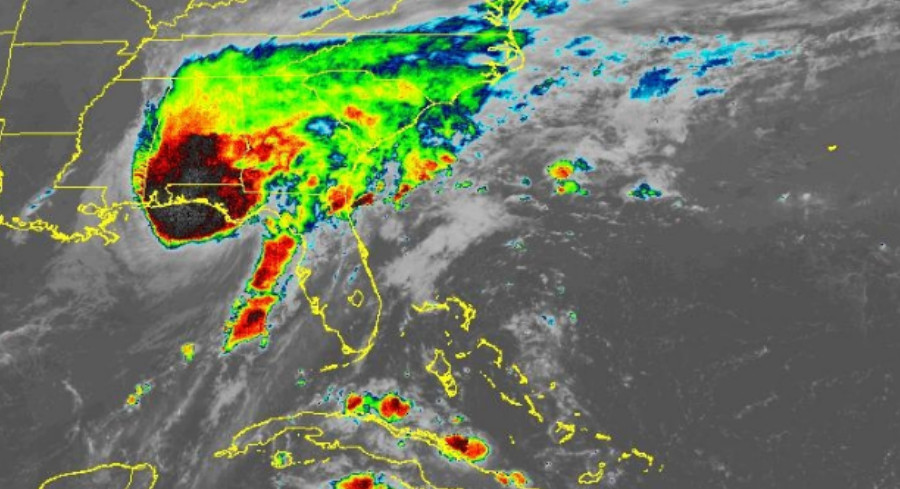
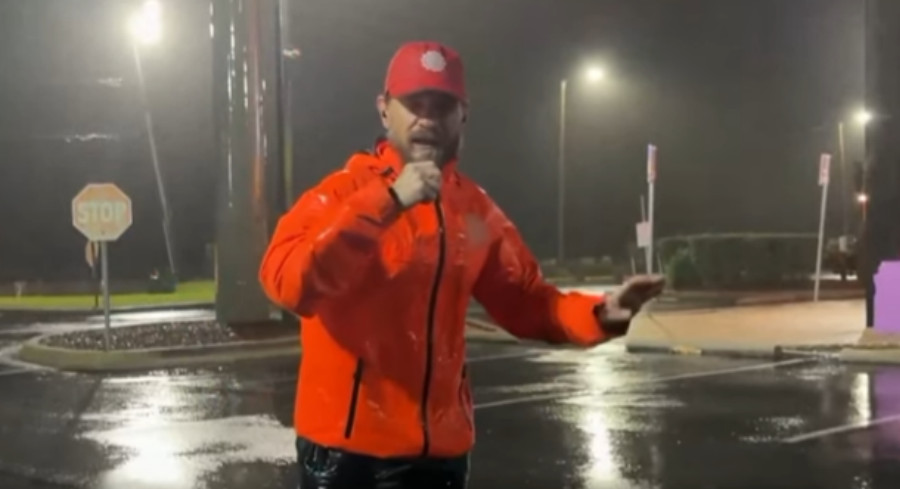
Hurricane Isaias slammed into the Florida Panhandle Friday night between Pensacola and Destin, roaring with sustained winds around 110 mph. As a Category 2 storm, it ripped power lines, sparked flash‑flood emergencies, and set off federal disaster‑relief efforts.
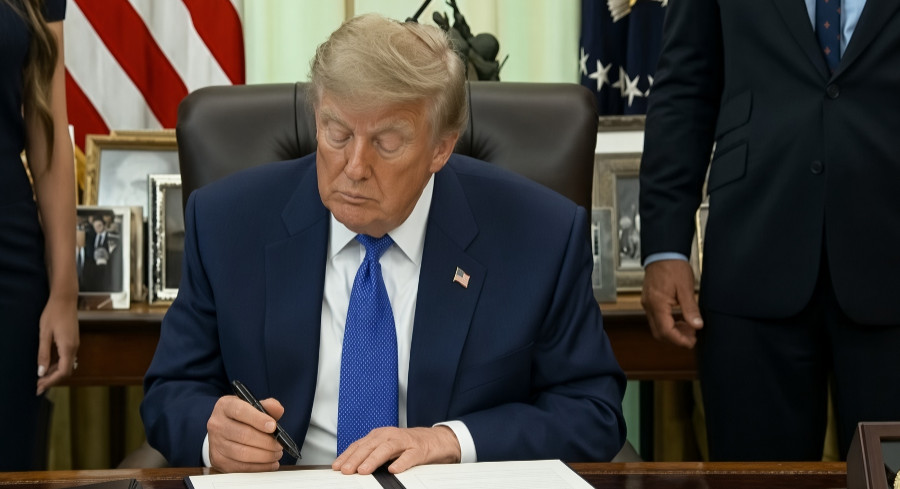
On Friday, President Donald J. Trump signed an emergency declaration for Florida, empowering FEMA to coordinate disaster‑relief operations and dispatch federal aid to assist state, tribal, and local officials in saving lives and safeguarding property.
The declaration spans 27 Florida counties,Baker, Bay, Calhoun, Citrus, Columbia, Dixie, Escambia, Franklin, Gadsden, Gilchrist, Gulf, Hamilton, Holmes, Jackson, Jefferson, Lafayette, Leon, Levy, Liberty, Madison, Okaloosa, Santa Rosa, Suwannee, Taylor, Walton, Wakulla, and Washington.
Under the order, FEMA will deliver direct emergency protective measures funded at a 75 % federal cost‑share, and Brett H. Howard will serve as the Federal Coordinating Officer overseeing field response.
Remarkably, the storm arrived exactly two years after Hurricane Milton touched down on Oct. 9, 2024, near Siesta Key,Florida’s most recent U.S. hurricane landfall.
Strong winds and flooding swiftly knocked out power for over 423,000 customers across Florida, Alabama, and Georgia. Downed trees blocked roads and snapped utility poles, forcing emergency crews to wait for the winds to subside before they could safely begin repairs.
In southern Okaloosa County, heavy runoff triggered a flash‑flood emergency in Fort Walton Beach, Wright, and Niceville, as torrential rain flooded streets and stranded vehicles in rising water.
Governor Ron DeSantis has set an 11 p.m. news conference at the state emergency operations center in Tallahassee to brief the public on storm damage and response plans.



Leave a Reply