

Lawmakers in Oregon have rejected funding for a program aimed at helping the state’s fishing industry turn fish-processing scraps into marketable products.
Early versions of Oregon HB 4086 included $640,000 for the Oregon Coast Visitors Association to support businesses that convert fish waste—such as bones, skin and heads—into products like pet treats, broth and other goods. However, the funding was removed as lawmakers sought to reduce spending to balance the state budget.
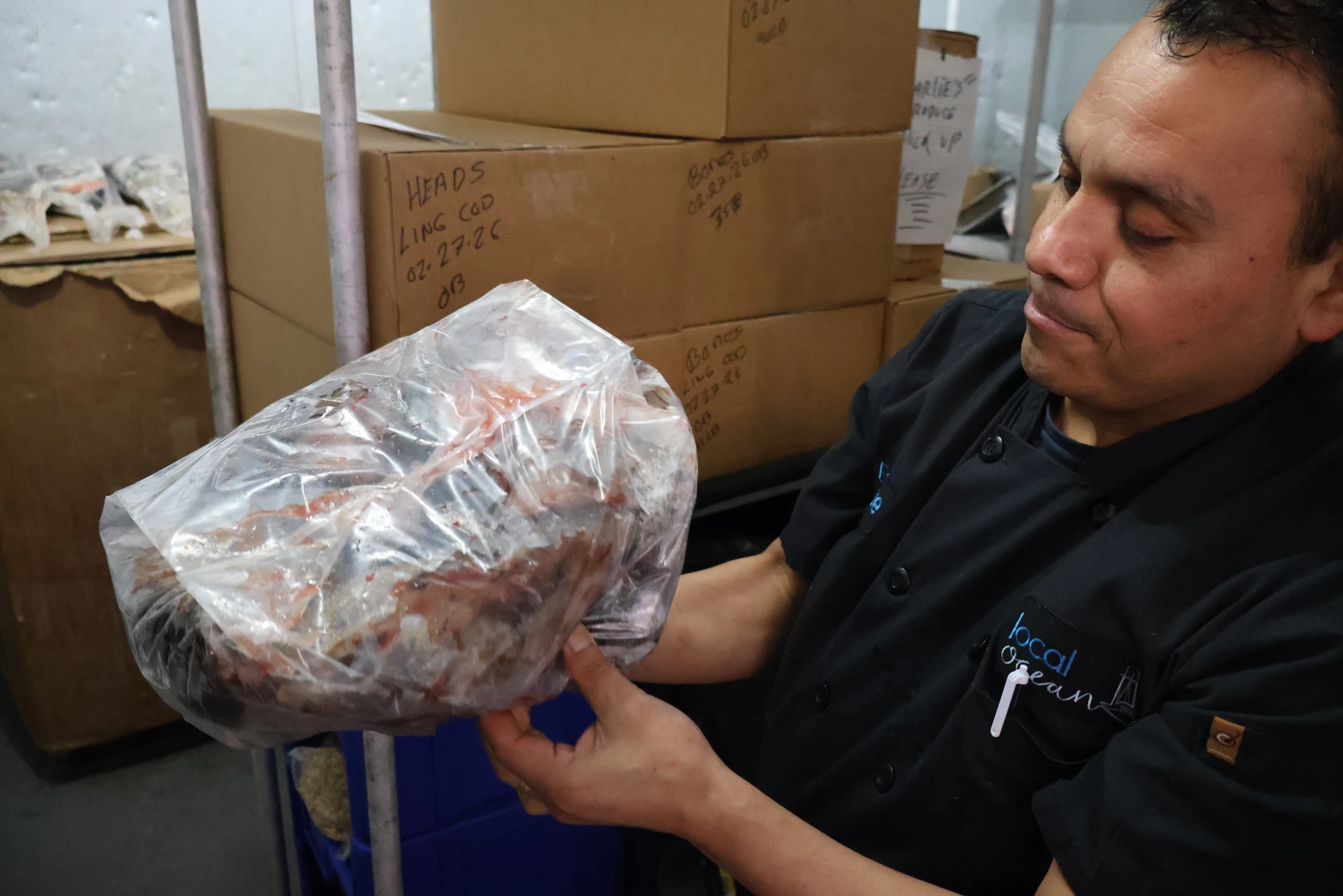
One example of the concept is the “100% Fish” program run by Local Ocean Seafood, a restaurant in Newport, Oregon that repurposes fish-processing scraps into items such as dog treats, jerky and bone broth.
The program’s director, Darlene Khalafi, said turning fish waste into usable products can create new revenue streams and reduce landfill waste, but expanding these businesses is expensive and difficult for small producers.
Much of the processing work for Local Ocean’s program takes place at the Central Coast Food Web facility, which provides shared commercial kitchen space and packaging equipment for local food producers.
Supporters of the funding argued it could help coastal businesses develop distribution networks and scale production of “100% fish” products. Marcus Hinz, director of the Oregon Coast Visitors Association, said much of Oregon’s seafood—and potential economic value from processing leftovers—is currently exported out of state.
Meanwhile, larger companies already process fish scraps at scale. Pacific Seafood operates facilities in Newport and its division Pacific Bioproducts has produced fish meal for animal feed and aquaculture since the 1940s.
Despite the loss of state funding, supporters say the Oregon Ocean Cluster plans to continue promoting “100% fish” initiatives aimed at using every part of the fish to create economic opportunities along the Oregon coast.











Leave a Reply