

A new lawsuit in California is challenging a common beauty-product marketing tactic: bold claims on the front of packaging that can shape what shoppers think they are buying.
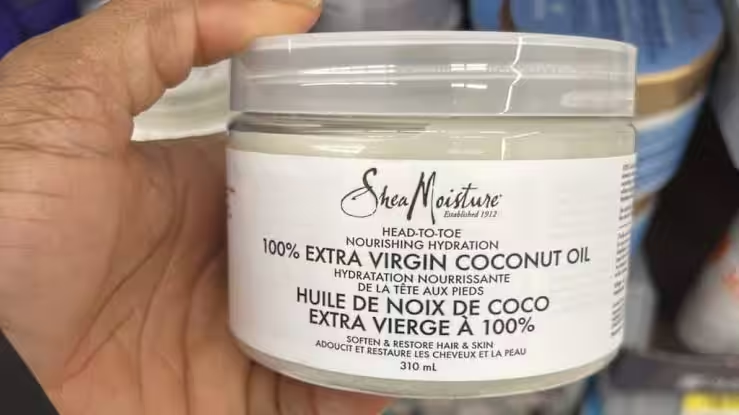
The dispute centers on Sundial Brands LLC’s SheaMoisture “100% Virgin Coconut Oil” branding and whether it misleads consumers about what is actually in the products, causing them to pay more as a result.
What happened?
According to Top Class Actions, Ruffina Yuryeva filed a proposed class action against Sundial Brands LLC on June 11 over labeling used on certain SheaMoisture hair, personal care, and baby care products.
The lawsuit says several products prominently display “100% Virgin Coconut Oil” on the front even though coconut oil is not the primary component and the formulas contain additional ingredients.
Yuryeva said she purchased SheaMoisture Moisture & Smooth Conditioner in Los Angeles and relied on the label when deciding to buy it. She alleges she either would not have purchased the product or would have paid less had she more clearly understood the ingredient makeup.
The complaint says Sundial’s labeling violates California consumer-protection statutes, including the Consumers Legal Remedies Act, the False Advertising Law, and the Unfair Competition Law. It also includes a claim for breach of express warranty.
Yuryeva seeks to represent California consumers who purchased the products during the applicable limitations period, and the suit requests damages, restitution, disgorgement, injunctive relief, and class certification.
Why does it matter?
Front-label wording often drives buying decisions more quickly than the fine print on the back of a package. When a product is marketed around a premium natural ingredient, consumers may assume that ingredient is central to the formula rather than just one component in a broader blend.
That can mean people spend more than they intended on products they believe are more natural, more plant-based, or more effective than competing options.
The lawsuit also raises broader questions of consumer trust. It alleges companies use simple, specific-sounding language while shoppers may not closely examine ingredient lists. This kind of labeling confusion overlaps with the same concerns behind misleading “natural” and eco-adjacent marketing, including greenwashing.
What’s being done?
For now, the main action is in court. If the lawsuit moves forward, it could pressure the company to change how it labels or markets the products, and it could open the door to refunds or other relief for affected buyers.
Class-action lawsuits can serve as a check on business practices that allegedly rely on consumer assumptions. Even before a case is resolved, litigation like this can push brands across the beauty and personal care industry to present ingredient claims more carefully. Ingredients are generally listed in descending order by amount.
If the case proceeds, it will test whether the branding crossed the line from eye-catching marketing into deception. As the complaint states, “Consumers purchase SheaMoisture products, and pay a price premium for them, because the ‘100% Virgin Coconut Oil’ signals a premium prominent ingredient.”












Leave a Reply