

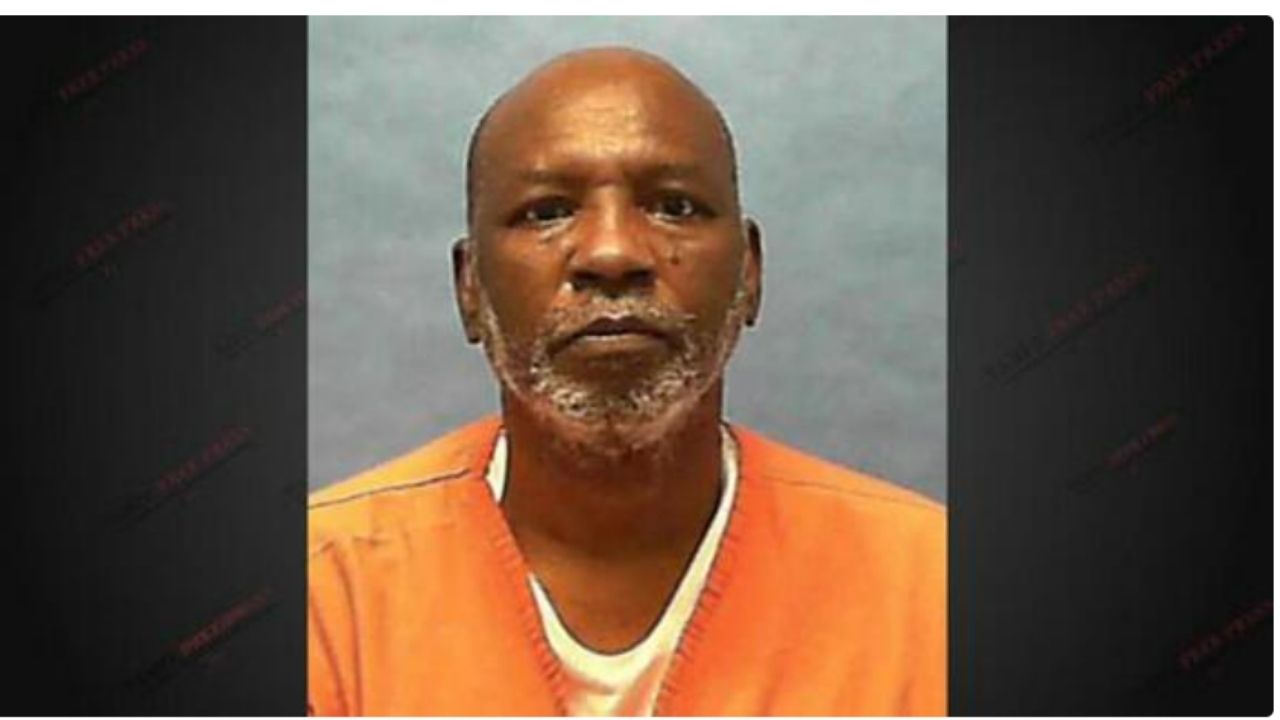
The Florida Supreme Court rejected death row convict William Reaves’ appeal on Wednesday, paving the door for his execution in the 1986 slaying of an Indian River County sheriff deputy.
The execution is set for Tuesday, October 20, at 6 p.m. The court unanimously affirmed an Indian River County circuit court judgment granting Reaves postconviction remedy, and it denied his plea to suspend the death warrant signed by Gov. Ron DeSantis on September 18.
Reaves, 77, was condemned to death in the September 1986 shooting of Deputy Richard Raczkoski outside a Vero Beach convenience shop. According to court papers, Raczkoski arrived at the store early in the morning after Reaves called 911 from a pay phone. During their conversation, a gun dropped out of Reaves’ shorts. A scuffle ensued, and Reaves snatched the firearm. When Raczkoski told him to yield the gun and start walking away, Reaves shot him four times in the back.
Reaves escaped to Georgia, where he was captured. In jail, he confessed to the homicide, telling detectives that he had been taking cocaine and was scared.
A jury first convicted Reaves and recommended death, but the Florida Supreme Court reversed the decision in 1991 owing to a prosecutor’s conflict of interest. At his retrial, a second jury convicted him of premeditated first-degree murder and recommended his death by a 10-to-2 vote, which the trial judge ordered. In 1994, the state high court upheld the sentence, and the United States Supreme Court declined to reconsider it later that year.
In his most recent appeals following the execution warrant, Reaves criticized Florida’s clemency procedure, claiming he was wrongfully denied records, received inadequate legal representation, and had hearing problems that limited his participation.
He also challenged Florida’s three-drug lethal injection technique, citing hearing loss and autopsy results from executions between 2017 and 2026. Separately, his habeas corpus petition claimed that decades of cumulative trial errors amounted to a clear injustice, describing the flaws as “incessant” and “destructive.”
The Supreme Court held that Reaves’ clemency arguments were without legal merit, noting that Florida law grants the executive branch extensive authority over clemency procedures and does not recognize a constitutional right to public information or effective legal help in mercy proceedings.
The judges also ruled that his appeal to Florida’s execution procedure was untimely and procedurally barred, noting that the information he presented was accessible years ago and that state courts had consistently affirmed the current lethal injection protocols. The court dismissed the habeas petition, citing an attempt to circumvent established procedural restrictions.








Leave a Reply