

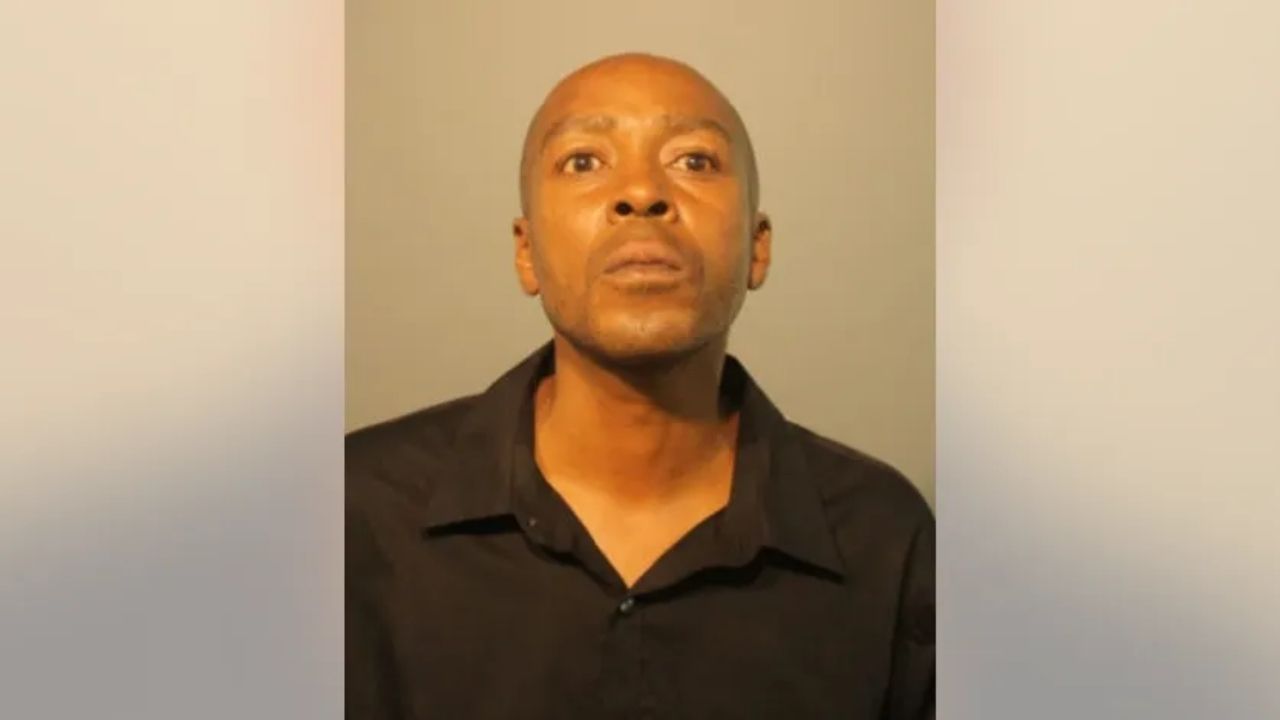
A 61-year-old Cheboygan man will face three to 15 years in prison for threatening a local court and prosecutors, Michigan Attorney General Dana Nessel announced.
Barry Hopkinson was sentenced on June 18 by visiting Judge Colin Hunter of the 46th Circuit Court. The ruling comes after Hopkinson pleaded guilty in March to a single count of attempting to make a terroristic threat as a habitual fourth offender.
The state’s case against Hopkinson started in January 2025. Investigators discovered that while Hopkinson was serving time in the Cheboygan County Jail for a previous stalking charge, he frequently claimed he was being treated unfairly.
According to state officials, Hopkinson revealed intentions to get firearms after his release with the stated aim of attacking 53rd Circuit Court workers, notably a circuit court judge, the Cheboygan County Prosecutor, and a Cheboygan County Assistant Prosecutor.
Hopkinson’s punishment comes amid legal ambiguity concerning Michigan’s anti-terrorism statute. The Michigan Court of Appeals first overturned the law as unconstitutional. Following that ruling, Attorney General Nessel joined the Wayne County Prosecutor in filing an emergency application with the Michigan Supreme Court, which overturned the lower court’s decision.
Though the Court of Appeals ultimately affirmed the law after further examination, the judges strongly advised state legislators to clarify and revise the statute to safeguard it from future legal challenges. That particular issue is currently seeking resolution, as the Michigan Supreme Court has granted leave to appeal the case.
Last year, Nessel testified in support of Senate Bill 502, which addresses these legal weaknesses. Senator Sue Shink sponsored the proposed legislation, which changes the Michigan Anti-Terrorism Act. It states that anyone who conveys a terrorist threat with reckless disregard for the risk faces a felony conviction punishable by up to 20 years in jail, a $20,000 fine, or both. The bill unanimously passed the Michigan Senate in March and is now awaiting a hearing before the House Judiciary Committee.
“My office will continue to uphold the law and prosecute those who threaten prosecutors and members of the judiciary as long as we have a legal avenue to do so,” Attorney General Nessel stated. “Without this legislation, our anti-terrorism laws will remain vulnerable. Terrorist threats are too grave to ignore, and we must ensure that we have the tools necessary to defend our public servants and communities.”
The Michigan Department of Attorney General’s Hate Crimes and Domestic Terrorism Unit, which Nessel established in 2019, is now handling five active investigations under the state’s anti-terrorism statute. Residents are advised by state officials to first report serious threats to local police stations before contacting the attorney general’s office.




Leave a Reply