

Lane County — A growing conflict over garbage disposal is forcing county leaders to consider major changes, including lower landfill fees, service cuts, and tighter regulations, after millions in revenue losses tied to private waste haulers.
How the Dispute Started
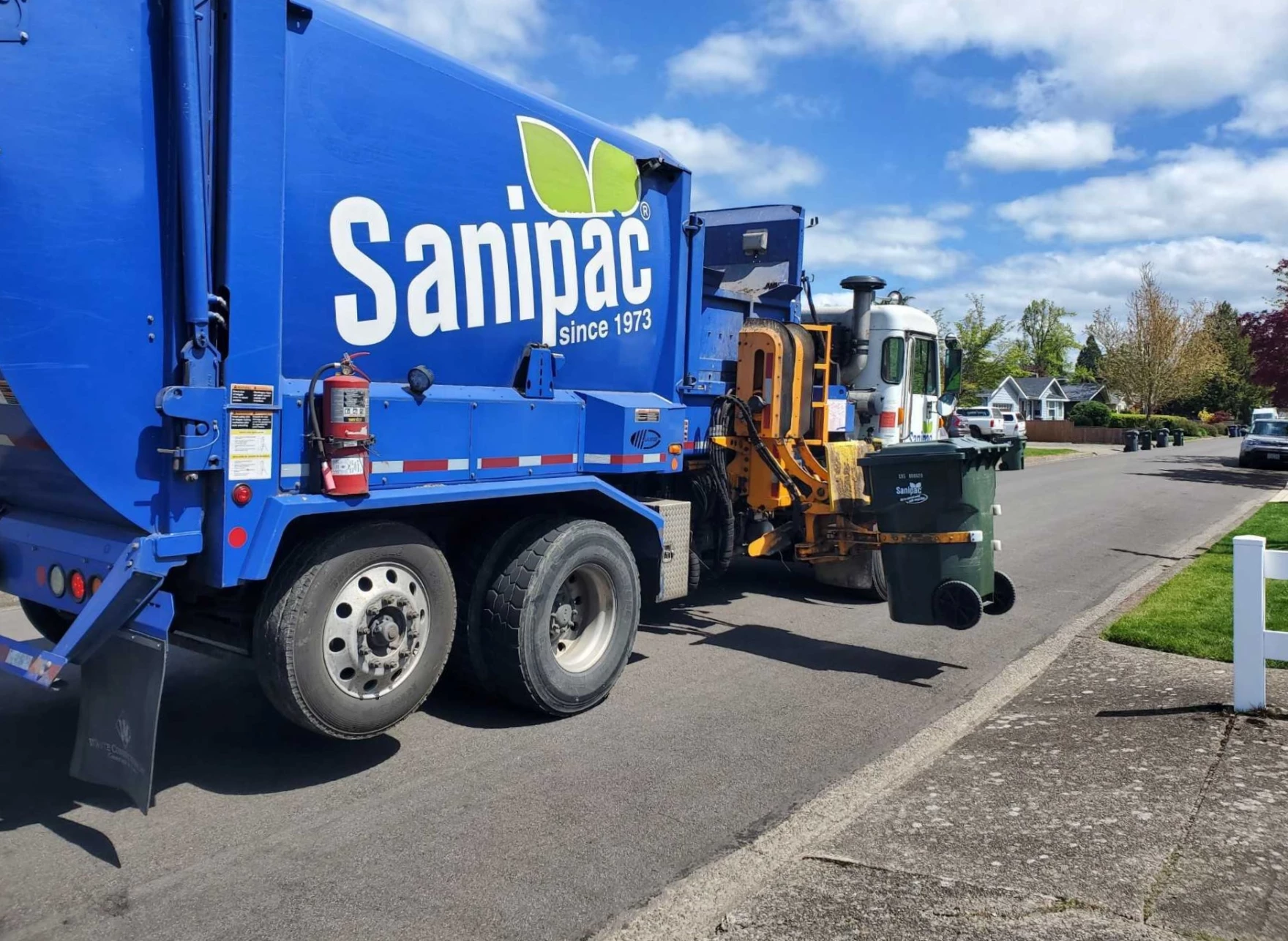
County officials say they’ve lost more than $5 million after waste hauler Sanipac, owned by Waste Connections, began transporting trash out of the area instead of dumping it locally.
Normally, haulers pay fees at the Short Mountain Landfill, a key source of funding for the county’s waste system. But officials believe waste from Springfield and nearby communities is now being diverted to a landfill near Medford.
Why It’s a Big Problem
The missing revenue is putting pressure on the county’s ability to operate 15 transfer stations, which are essential for handling local waste.
County leaders warn that without a solution, the impact could include:
- A rise in illegal dumping
- Increased environmental risks, including water contamination
- Potential breakdown of the region’s waste management system
Solutions on the Table
To address the shortfall, officials are exploring several options:
Lowering landfill fees
Reducing tipping fees could make local disposal more attractive to haulers—and may even lead to lower garbage bills for residents. However, this could also mean cutbacks in other services.
Cutting waste services
The county is considering scaling back certain operations to offset the financial losses.
Regulating haulers
New rules could include:
- A franchise system controlling which companies operate locally
- Enforcing where waste must be disposed
- Setting pricing or service standards
Haulers Push Back
Sanipac and other companies argue the county’s approach is flawed. They claim:
- Rising fees—partly tied to the CleanLane recycling project—made local dumping too expensive
- The system suffers from poor planning and inefficiency
- New regulations would unfairly target private businesses
A coalition of haulers also warned that Lane County’s long-standing open-market system has historically provided reliable and affordable service.
Leaders Divided on Next Steps
The issue has sparked debate among county commissioners:
- Some want stricter oversight and efforts to recover lost revenue
- Others caution against overregulation and say the county should rethink its overall waste management model
What Happens Next
Discussions between county officials and waste companies are ongoing, with no final decision yet. The outcome could reshape how trash is handled—and how much residents pay—for years to come.










Leave a Reply