
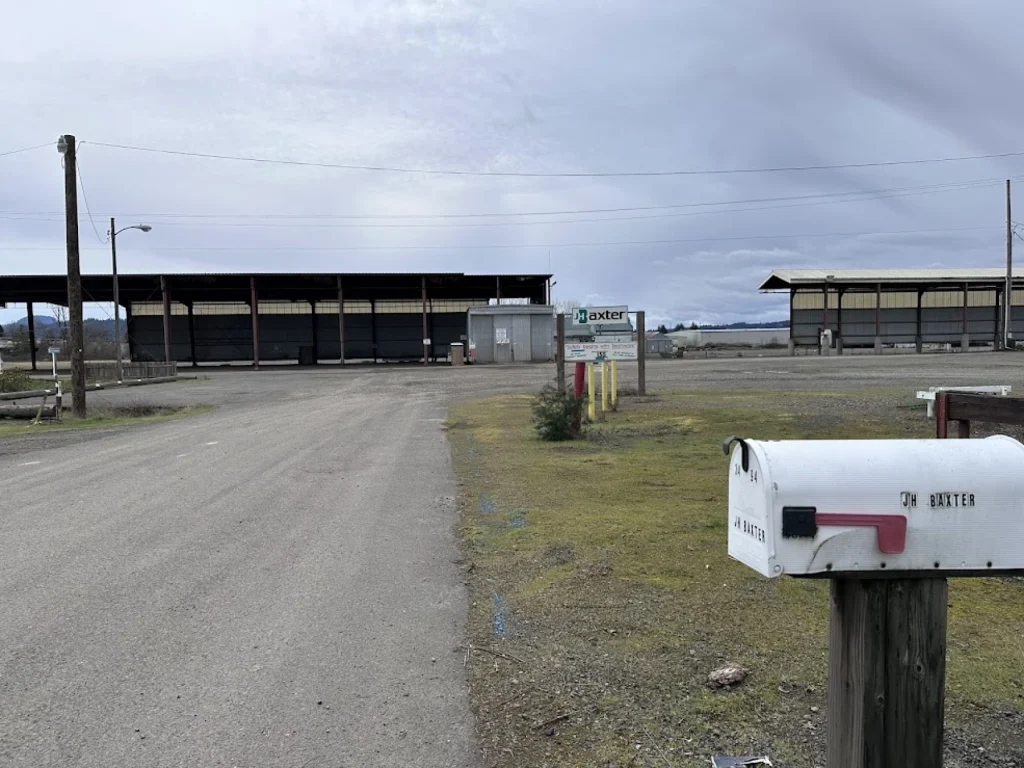
Cleanup efforts at the former J.H. Baxter wood treatment plant in Eugene are progressing slowly, with officials warning that a full environmental restoration remains years—if not decades—away.
From Industrial Hub to Contaminated Site
For nearly 80 years, the J.H. Baxter facility processed treated wood products such as telephone poles and railroad ties. Over time, residents in the nearby Bethel neighborhood raised concerns about odors, pollution, and potential health risks.
The plant shut down permanently in 2022 after facing mounting regulatory pressure, lawsuits, and financial challenges. In 2025, it was officially added to the federal Superfund list, marking it as a high-priority cleanup site.
Cleanup Still in Early Stages
According to the U.S. Environmental Protection Agency, the project has not yet reached its most intensive cleanup phase.
So far, crews have:
- Removed large industrial equipment
- Recycled metal tanks
- Disposed of hazardous waste materials
However, significant work remains before any large-scale decontamination can begin.
Extensive Soil Testing Still Needed
Environmental experts say the next major step involves detailed soil analysis across the site.
Testing could reach depths of up to 45 feet, and the process may take several years to complete. These findings will guide decisions on the most effective cleanup methods.
Officials are also studying how contaminants may have spread through:
- Groundwater
- Surface water
- Air pathways
Concerns Over Toxic Contamination
Investigations have already uncovered troubling signs of pollution. In some areas, chemicals were found to have seeped beneath the surface into structural spaces, including old building basements.
Previous testing in nearby residential areas identified dioxin contamination, prompting soil removal and replacement at multiple homes.
Despite these concerns, officials note that risks from airborne pollution have decreased since the facility stopped operating.
Long-Term Cleanup Could Take Decades
The Superfund remediation process will include:
- Human health risk assessments
- Environmental impact studies
- Evaluation of cleanup technologies
Experts say once full-scale cleanup begins, it could take decades to complete and cost billions of dollars.
Future of the Site
The property remains zoned for industrial use, meaning it could eventually be redeveloped after remediation is complete.
For now, however, the focus remains on ensuring the site is safe for surrounding communities and preventing further environmental damage.